The first friend I made was Little Krishna, not the one from the cartoon kingdom, but the one from the cosmos, whose many idols remained scattered across our living room. Yes, I belong to a family that takes its Gods and Goddesses seriously. So even before I was properly introduced to human beings, I was introduced to the Gods and to spiritual places – Benaras, Ujjain, Rameshwaram, Somnath, and Swarna Mandir.
Every time someone said Swarna Mandir, I could feel thousands of sparks inside my brain trying to conjure up the image of a temple made entirely of gold. You would need no lights around it because the temple itself would shine in the darkness, and the Gods would lead the way. At least that’s what I believed until I saw a picture in my NCERT textbook and later on television.
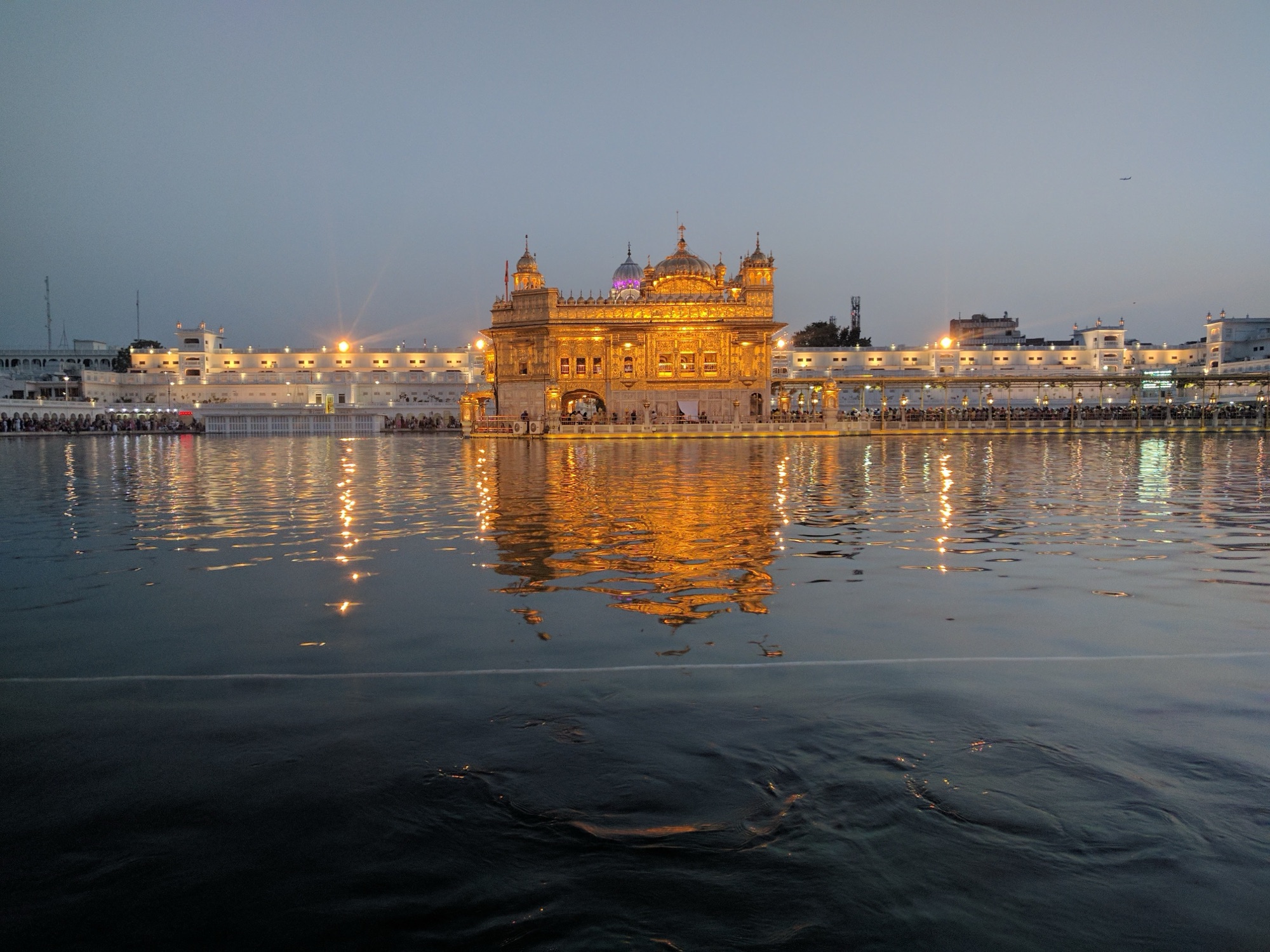
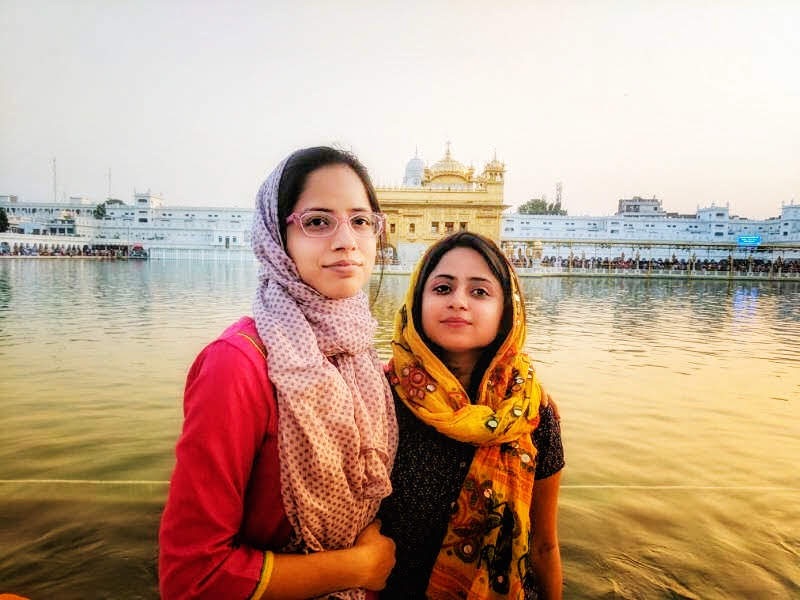
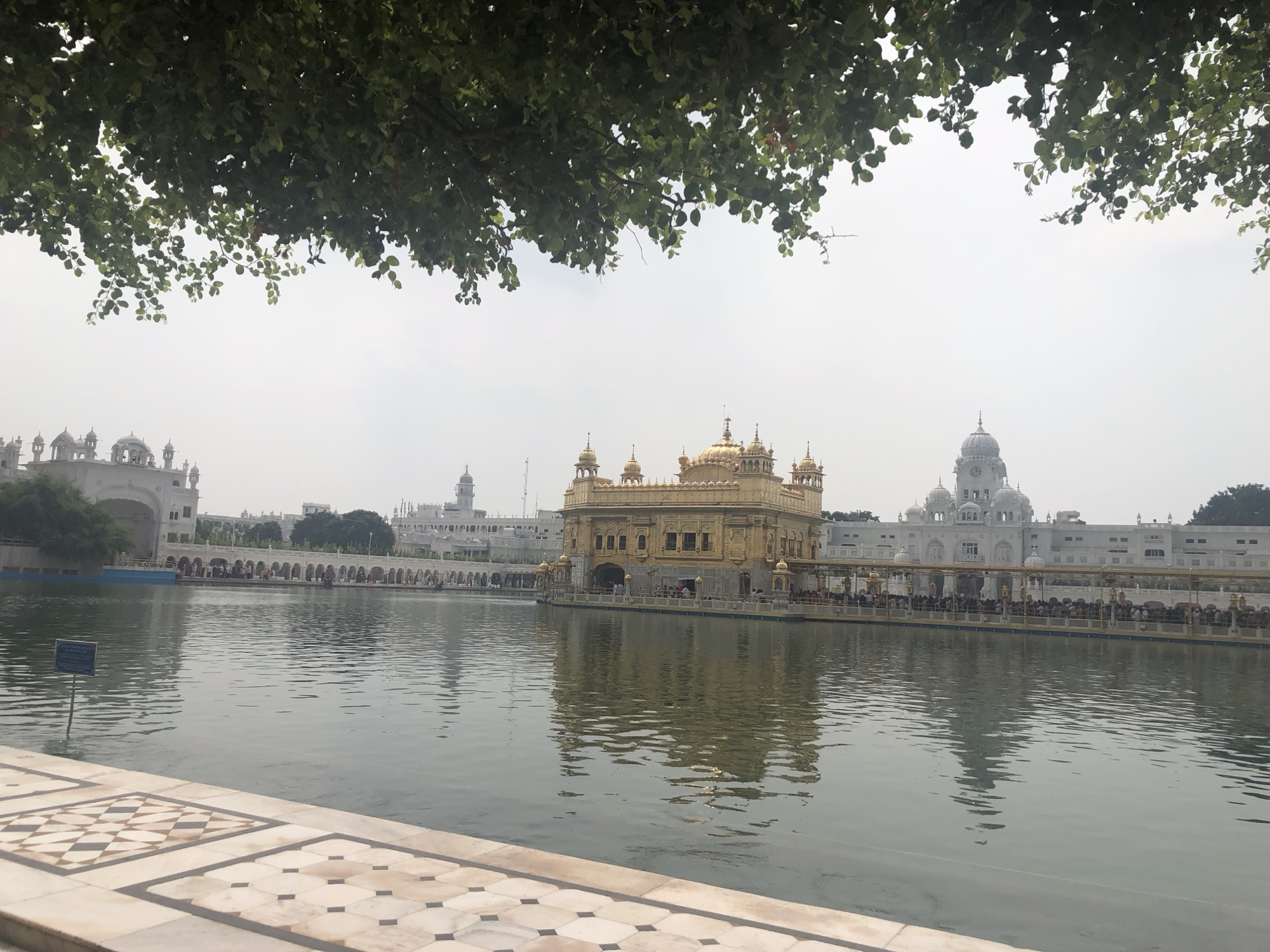
When my sister was born on Baisakhi (13 April), we all decided to pay homage and visit Amritsar as a family. But that year, Mata Vaishno Devi called instead, and we sang and trekked our way to Pahadon Wali Mata. Amritsar happened much later, but when it did, I was taken aback because Swarna Mandir looked nothing like the pictures of the Golden Temple that I had seen thus far. It felt surreal, almost otherworldly. The passage opened up to white marble, the shimmering sarovar, and in its centre, Sri Harmandir Sahib seemed to float between water and sky. And before you realise it, your head bows down in reverence.
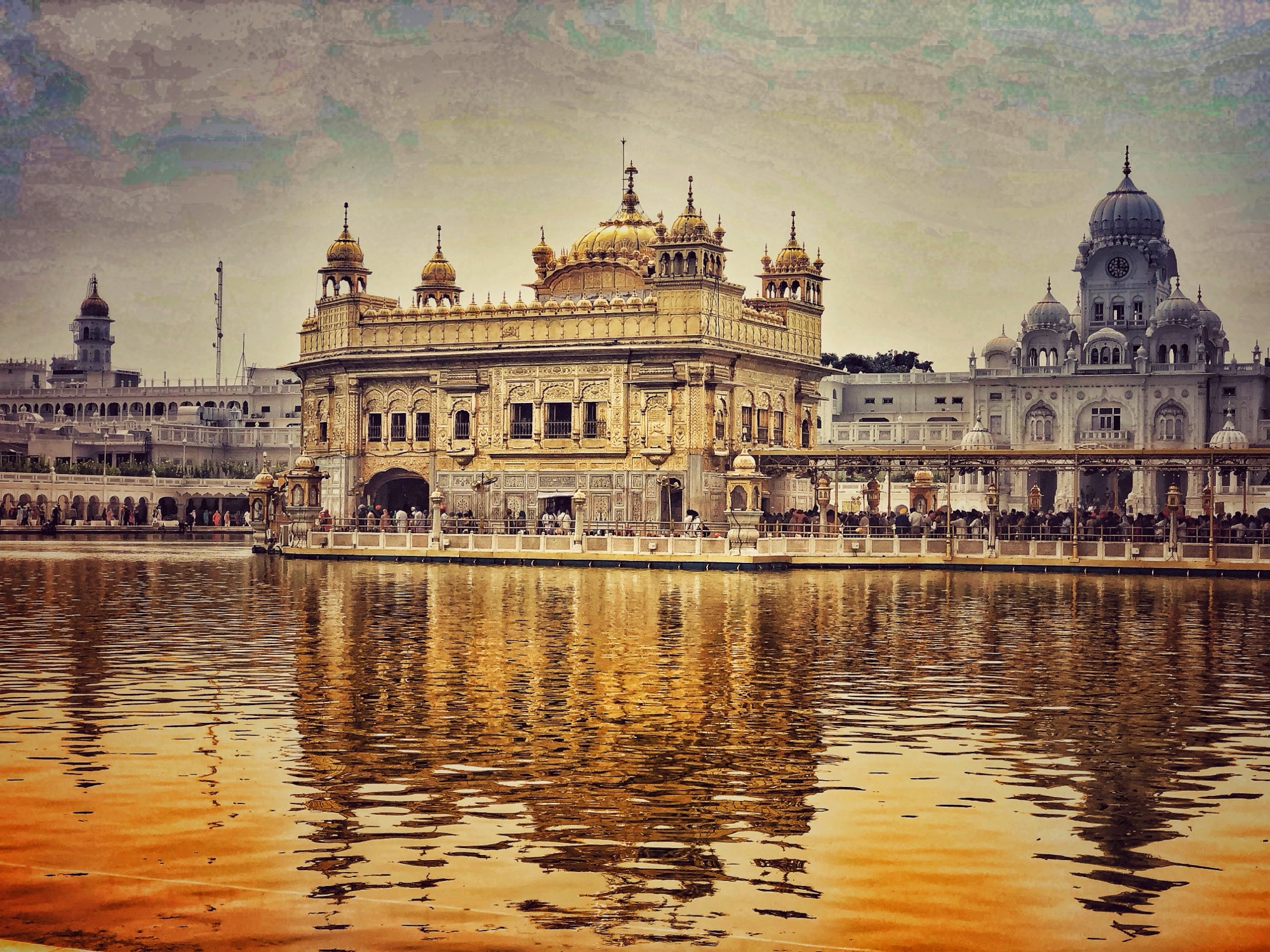
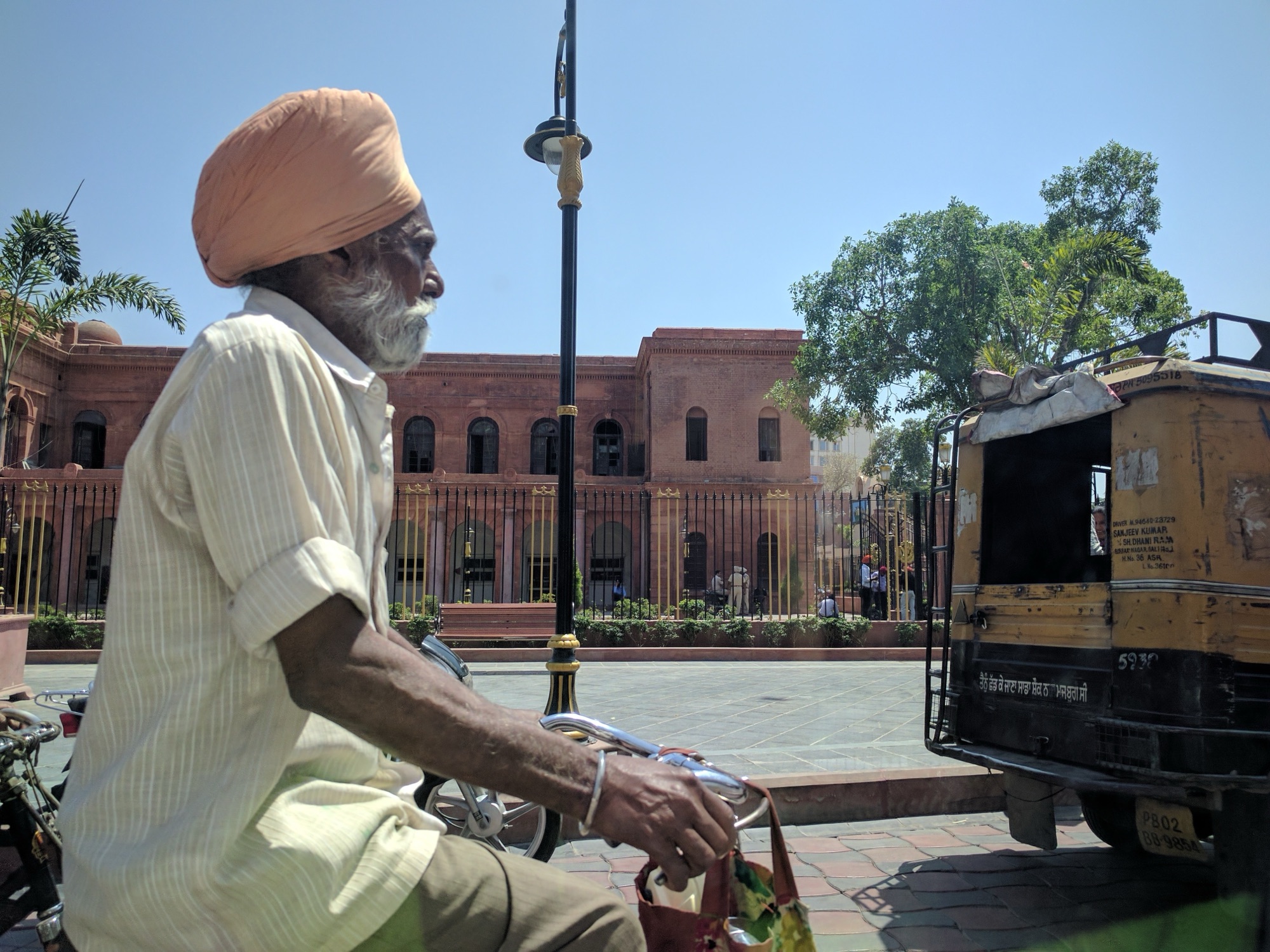
For the Soul: Swarna Mandir
You wash your feet in the water channel, cover your head, and join your hands in devotion…and something inside you begins to shift. All the walls that you had painstakingly built over the years begin to crumble. The pretences begin to melt away, and you become ready to receive.
Waheguru Ji Ka Khalsa, Waheguru Ji Ki Fateh.
Life begins to take a different meaning inside these sacred walls. You faintly realise that perhaps you were not born only to fend for yourself, but also to provide for others, to care for someone who is struggling, or to give voice to those who cannot speak. Here, you notice that no chore is beneath your dignity, and that there may be a spark of the divine in each one of us.
Spiritual places are best experienced in silence. The sounds of kirtan reach your ears and, through them, your soul. Sometimes, when you close your eyes, you feel yourself travelling through dimensions, drawing a little closer to the divine. In the queue for darshan lies the possibility of redemption. And just before the Guru, you realise that perhaps the world changes one act of seva at a time.
Nanak Naam Chardi Kala, Tere Bhane Sarbat Da Bhala.
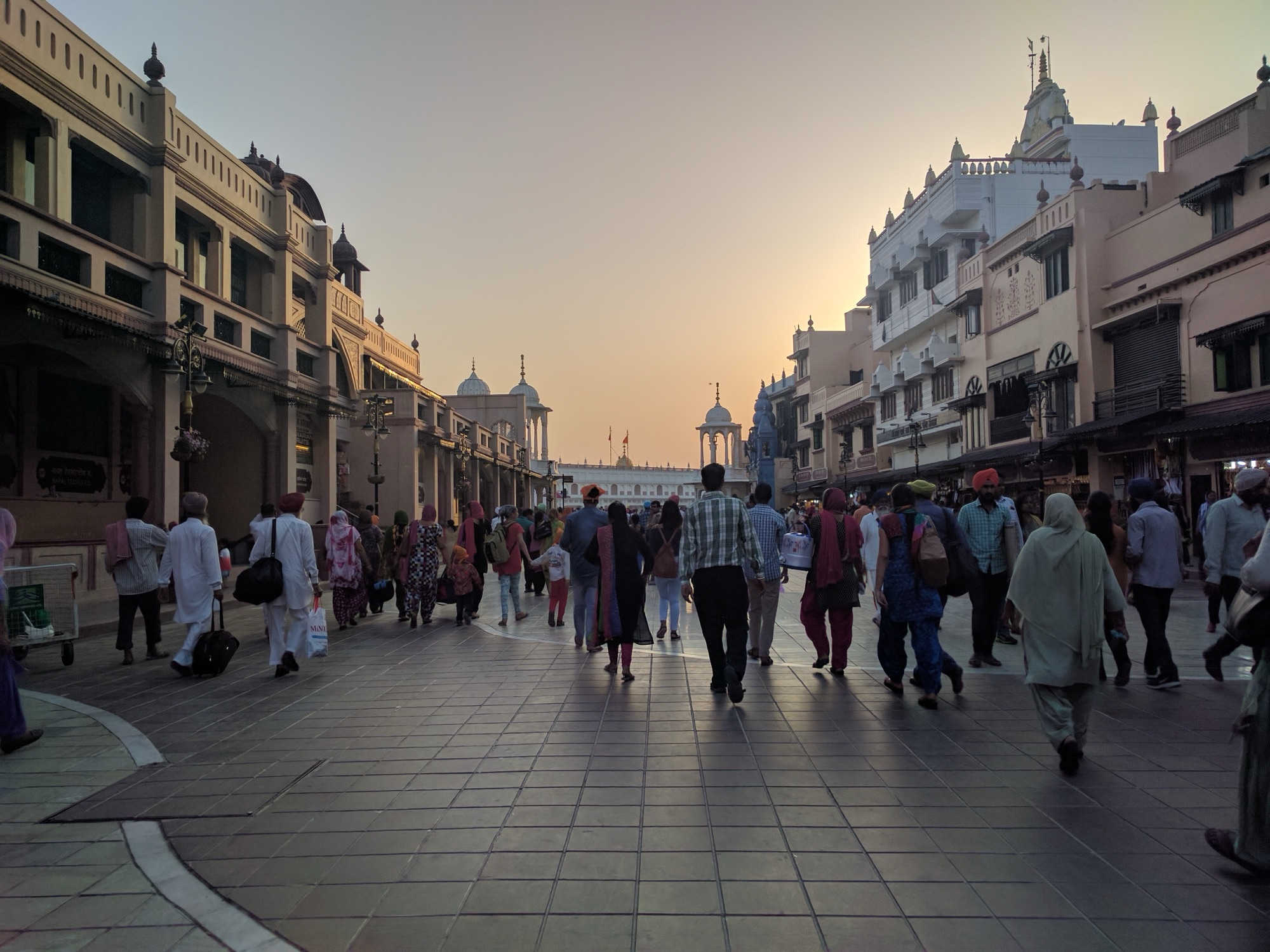
For the five senses: the food of Amritsar
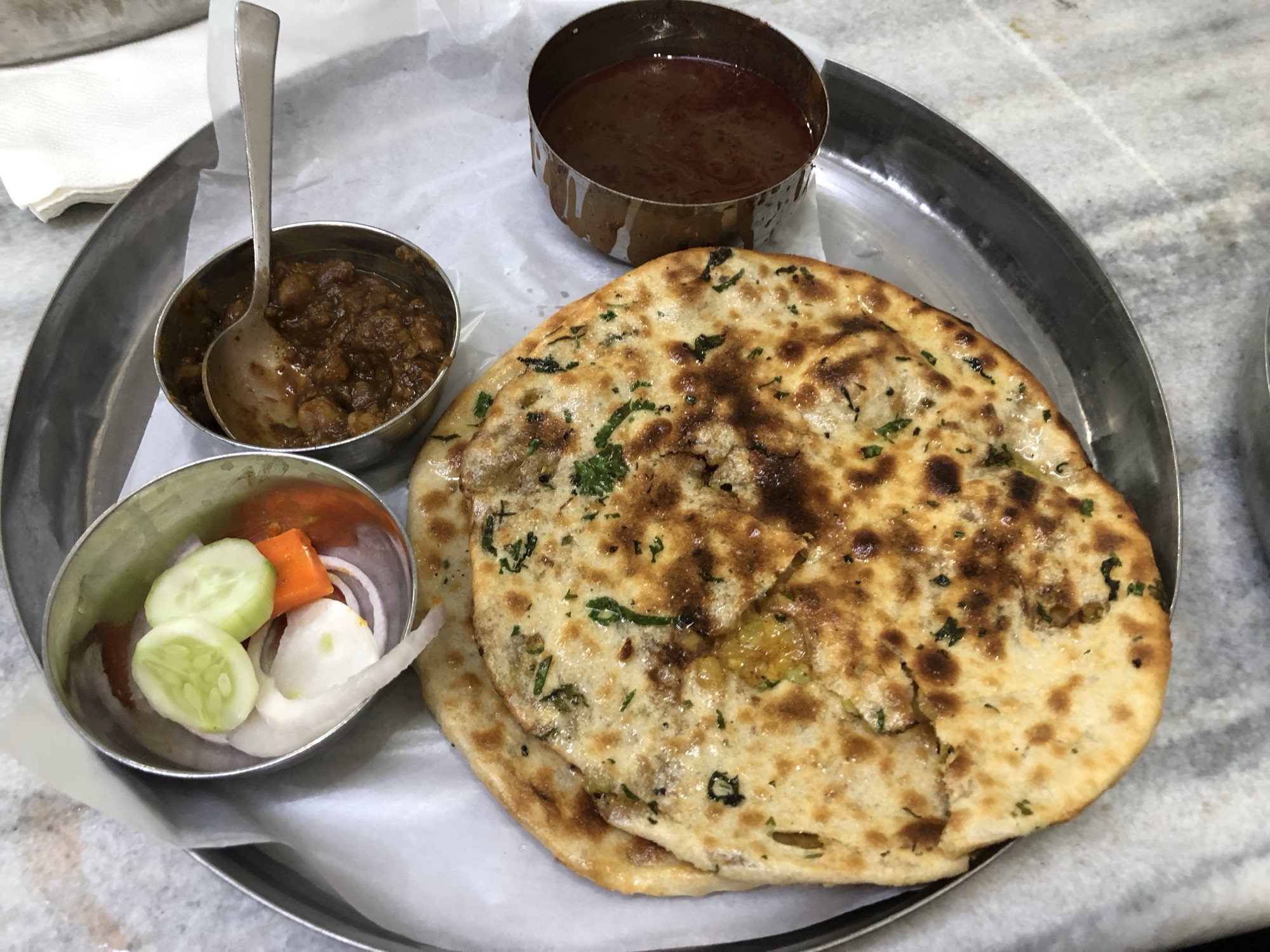
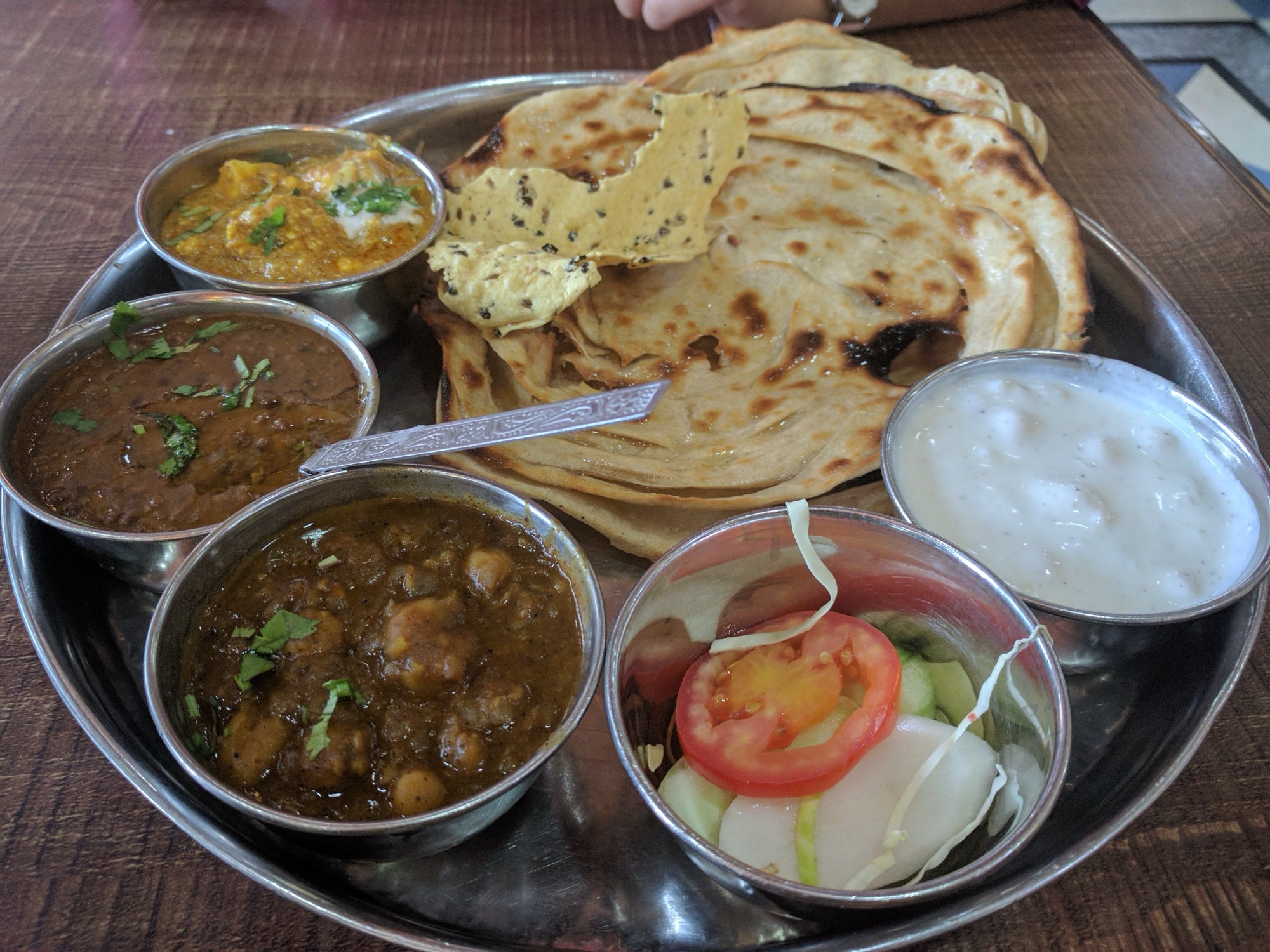
In Ambarsar, first you pray. But then, you feed yourself with loads and loads of butter-dripping, slow-cooked meals. Be it the tandoori kulchas dripping with makhhan (butter), or the rich, delicious maa ki daal (dal makhani) that can make you forget all your worries in the world. And if that doesn’t satiate you, get yourself a tumbler full of lassi that fills you up with flavours… and a new zest for life!
Even if you pile on a few kgs in a couple of days with all this rich food, don’t you fret over it. It’s all worth it. Check out the end of the post for recommendations on places you must visit when it comes to food!
For those who laid down their lives: the Remembrance
It’s not just for the food or the spiritual strength that one visits Amritsar; it is also to remember the brave, young souls of India who willingly risked their lives and families for the freedom of the nation.
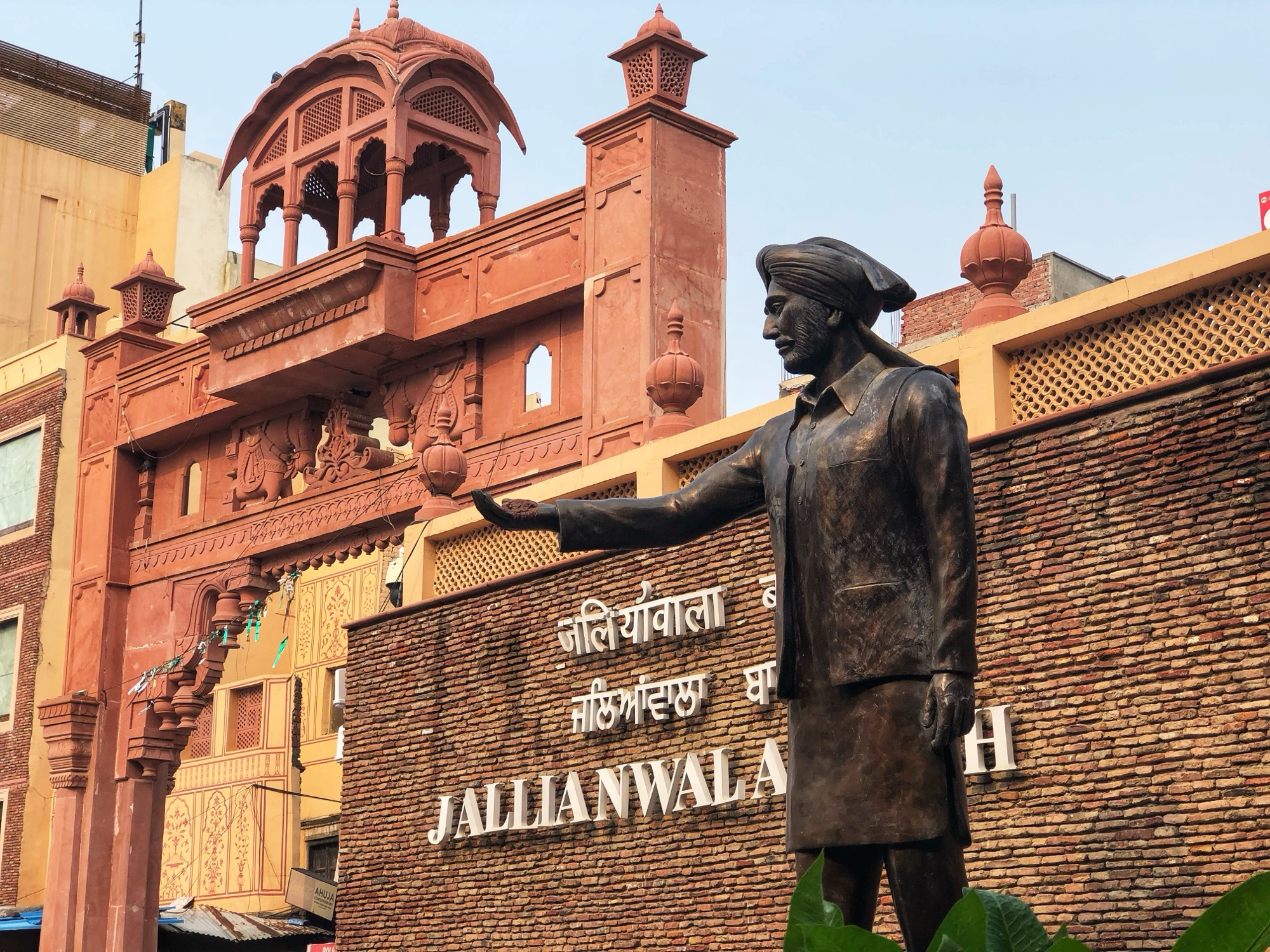
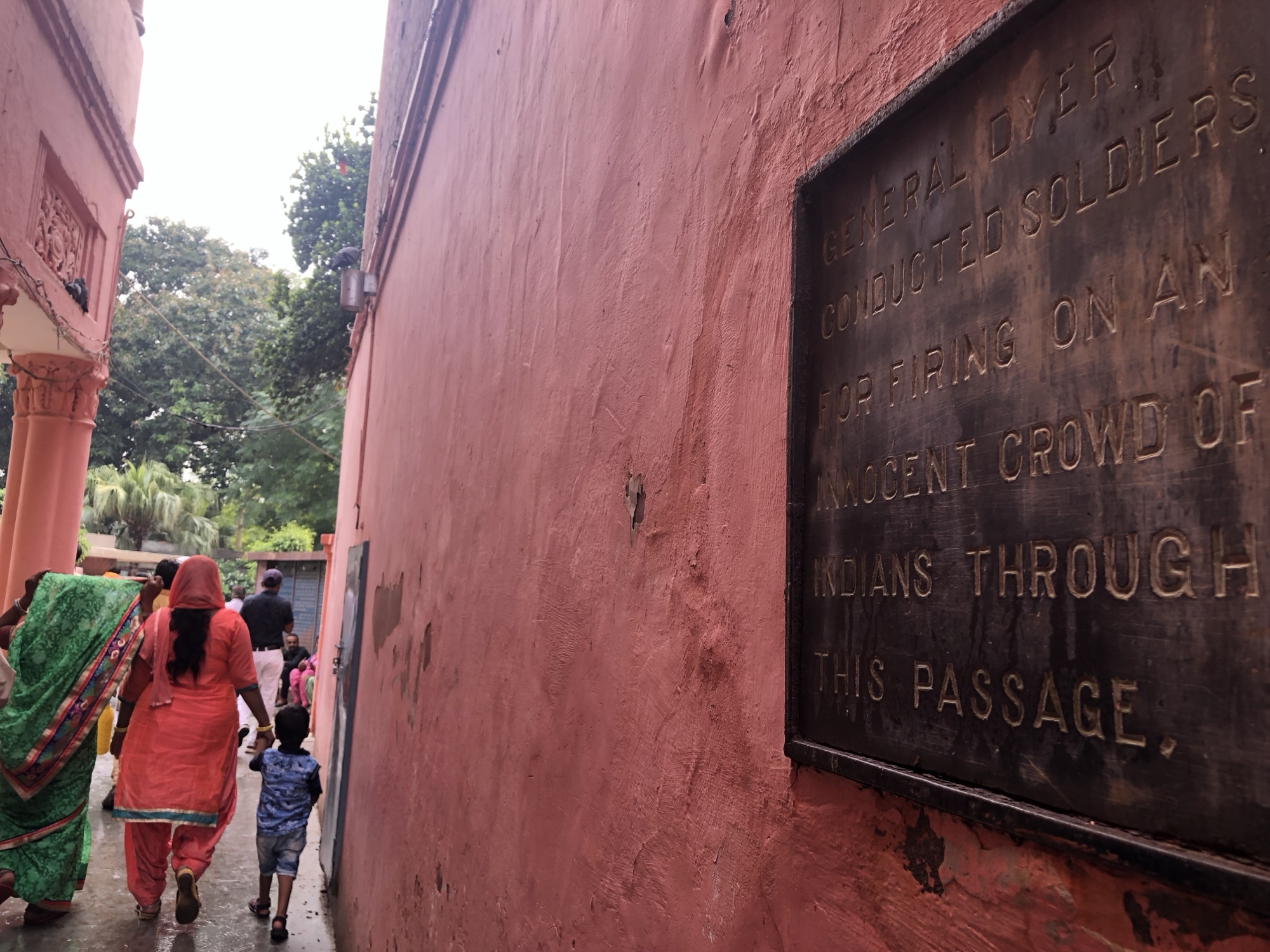
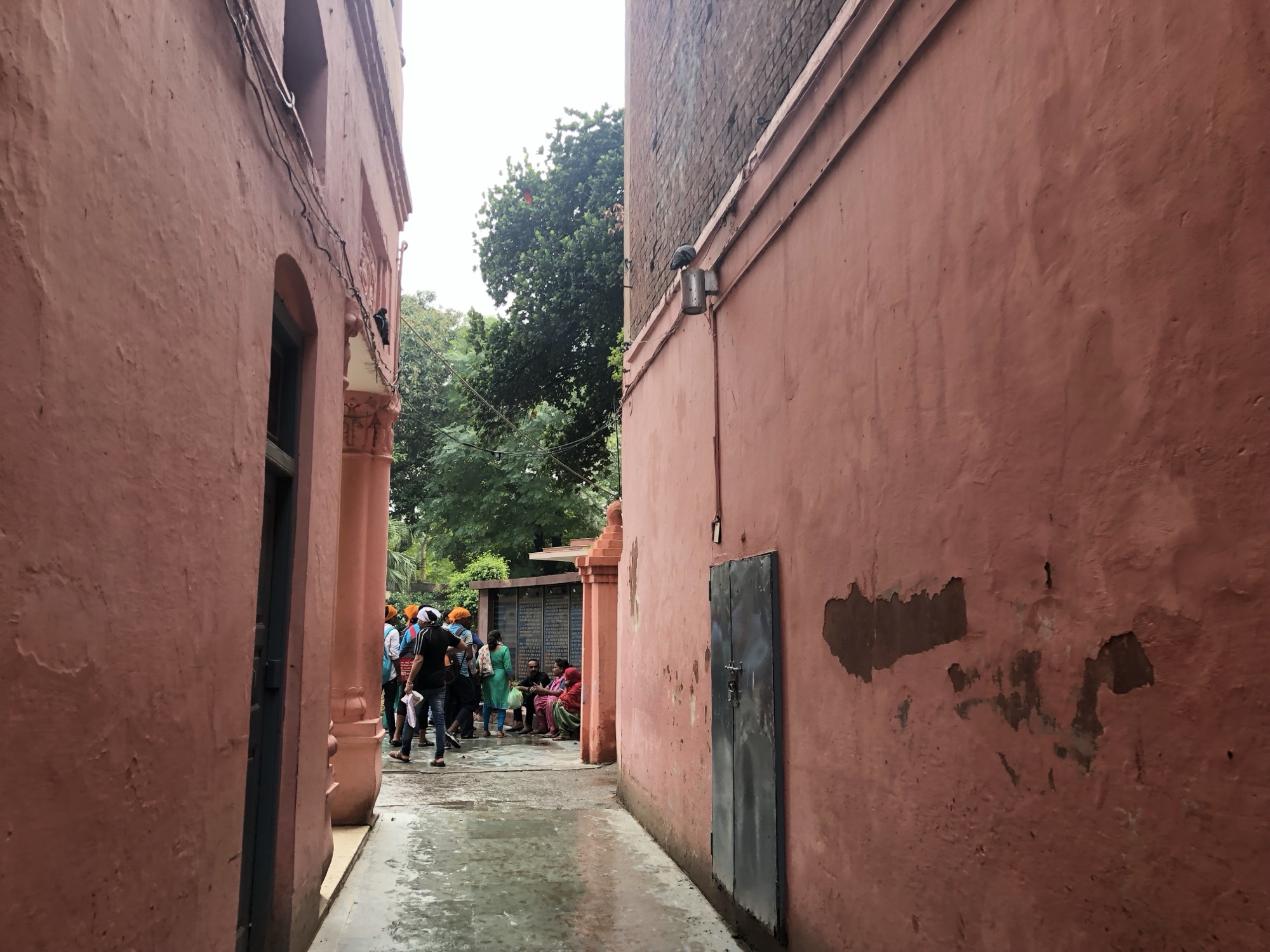
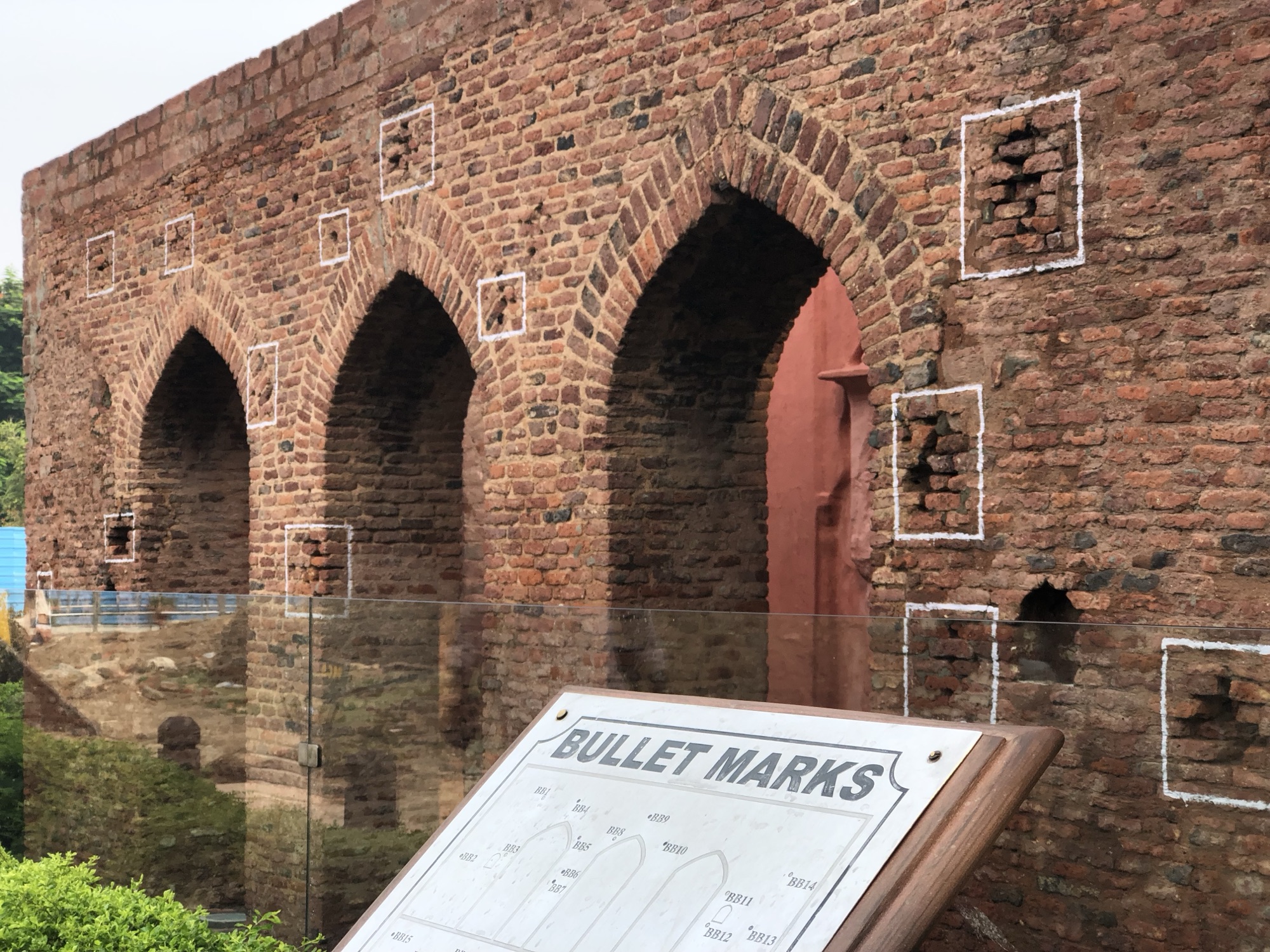
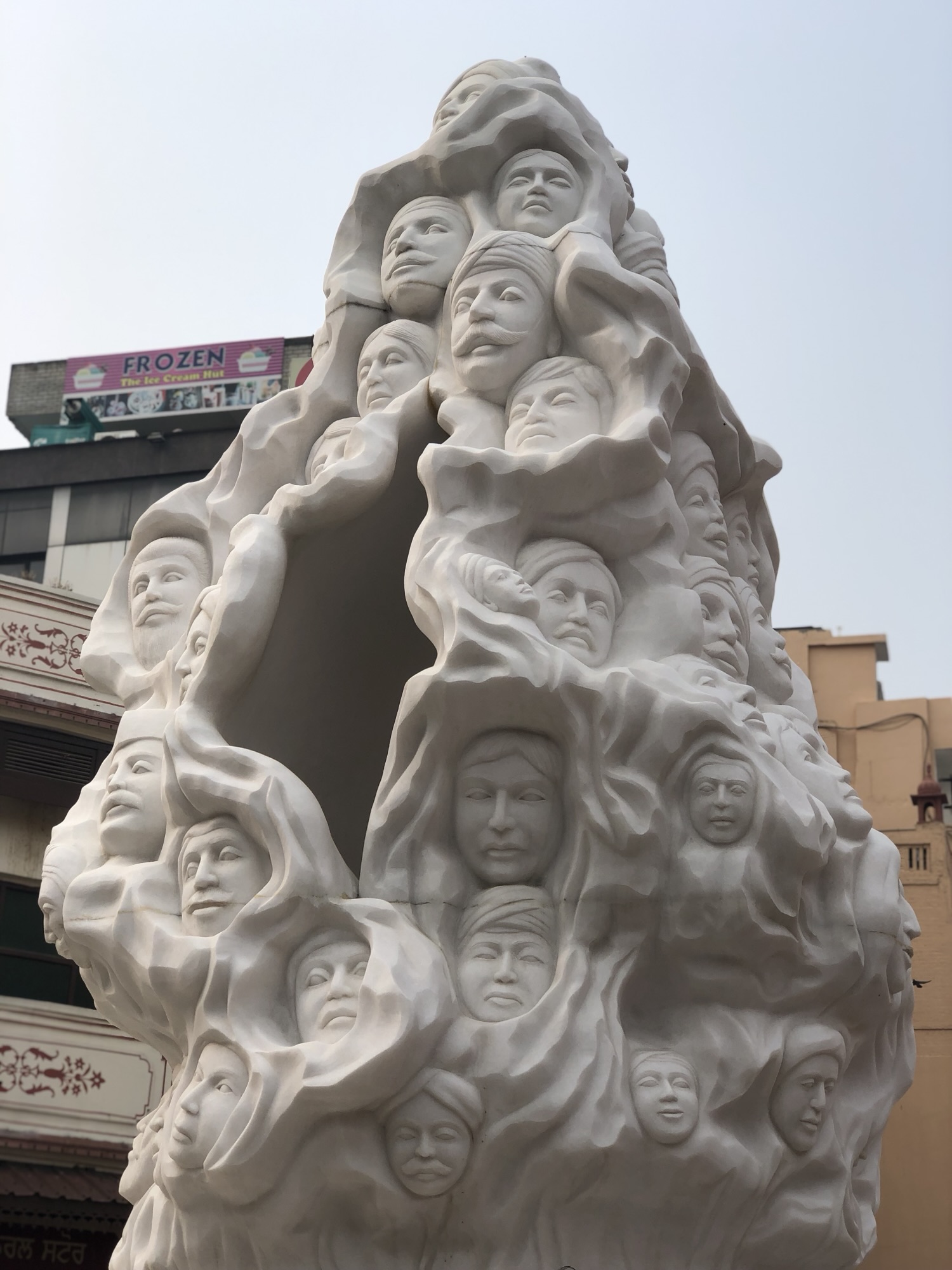
Jallianwala Bagh is a bitter reminder of the atrocities that we collectively went through, and perhaps those memories continue to stay in our consciousness. The bullet marks can still be seen on the walls, and the narrow doorway through which it is nearly impossible to cross over to either side if even a handful of people block it breaks your heart.
Nearby, there is also the Partition Museum, which captures a glimpse of what the nation went through so that we could hold our heads high today, freely travel across states and in and out of the country, pursue an education, build careers, and spend time with our families.
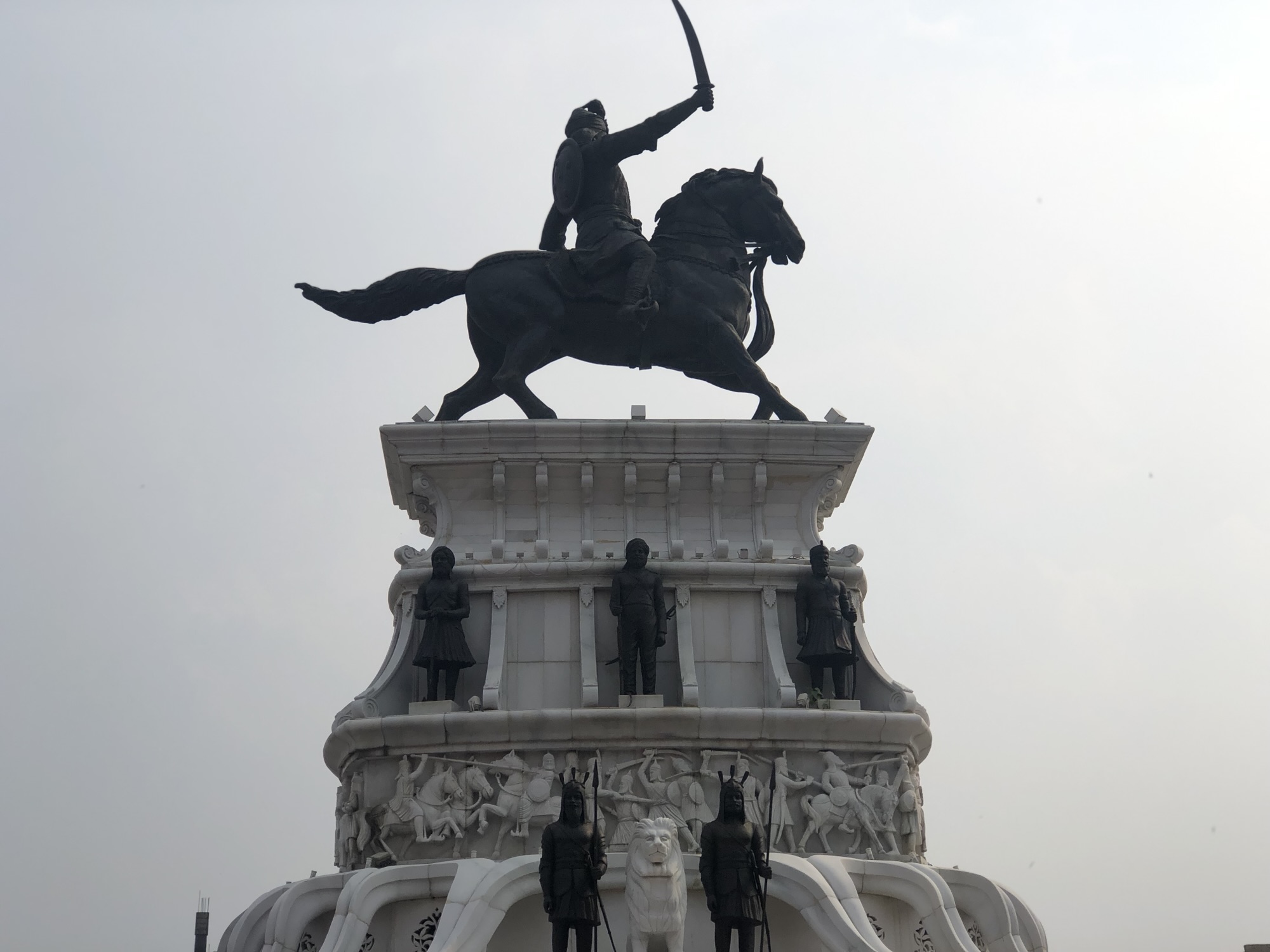
Amritsar is one of my favourite cities because it carries so much within itself and still takes you through a whirlwind of experiences. It harbours secrets and keeps its sorrows within. It presents you with so many choices that it is impossible not to be happy. But it also offers something more. For those who seek more than worldly happiness, it has much to give – be it spirituality, history, or the stories of an era that refuses to be forgotten.
Amritsar: an itinerary
How to Reach:
By Train:
Amritsar Junction is connected to most major cities across India. If you enjoy train journeys, this is one of the most convenient ways to arrive.
By Air:
Sri Guru Ram Dass Jee International Airport is well connected to major Indian cities including Delhi, Mumbai, Bengaluru, Hyderabad, and Kolkata.
By Road:
Amritsar is well connected by highways to Chandigarh, Delhi, Jammu, and other cities across North India.
Ideal Duration:
2 Days: Golden Temple, Jallianwala Bagh, Partition Museum, Wagah Border, food trail.
3 Days: Add shopping, heritage walks, Durgiana Temple, Ram Tirath Temple, Gobindgarh Fort, and leisurely café hopping.
Suggested Itinerary:
Day 1: Spirituality & Heritage
Golden Temple (sunrise visit recommended), Langar at the Golden Temple, Jallianwala Bagh, Partition Museum, Evening at Wagah Border
Day 2: Food & Local Experiences
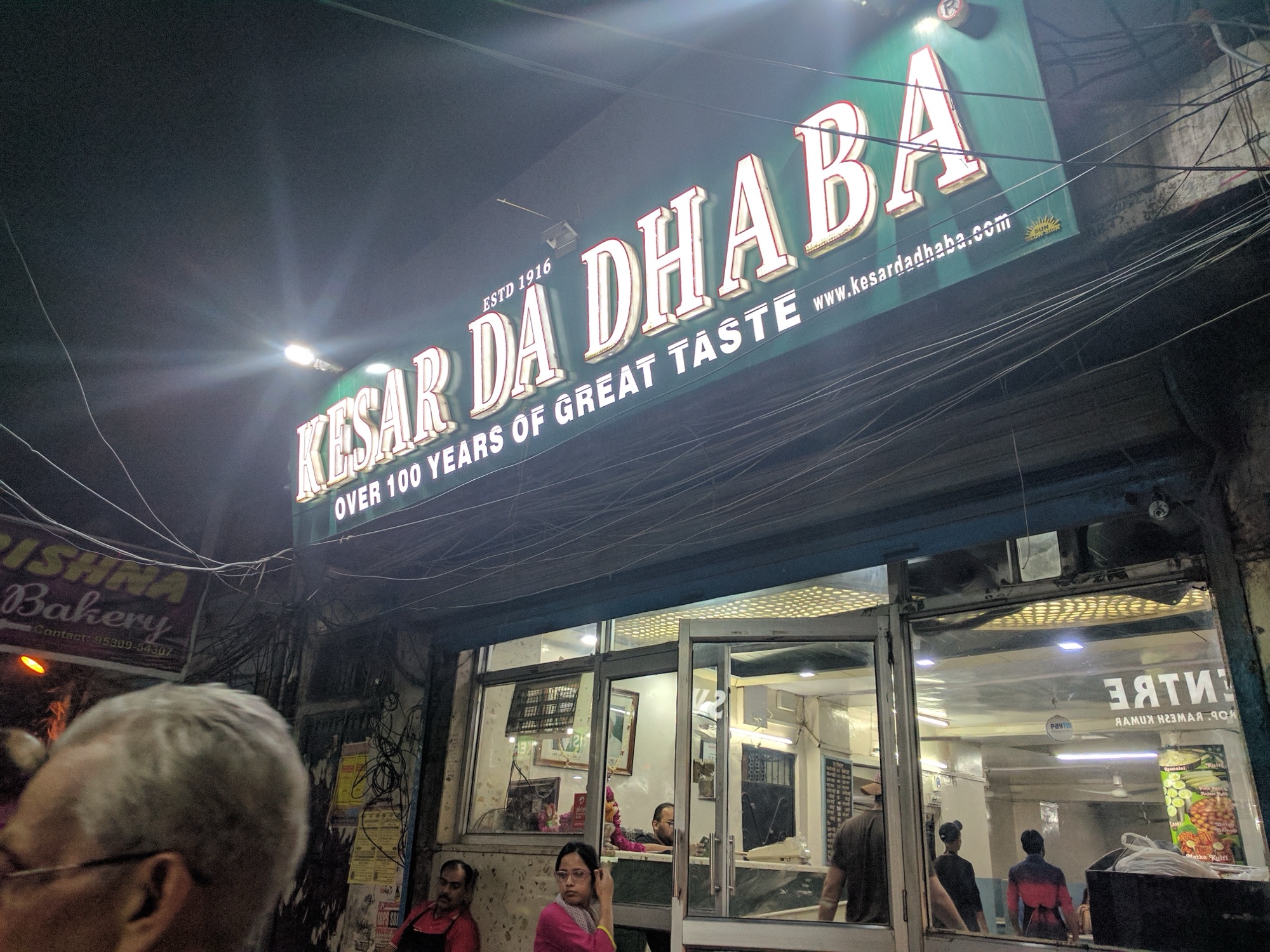
Amritsari Kulcha breakfast, Heritage walk through the old city, Shopping in Hall Bazaar and Katra Jaimal Singh Market, Lunch at Kesar Da Dhaba, Lassi stop at Gian Di Lassi or Ahuja Milk Bhandar, Evening café hopping or street food exploration.
Day 3 (Optional)
Durgiana Temple, Gobindgarh Fort, Ram Tirath Temple, Leisurely exploration of local markets and cafés
Food Recommendations:
For Kulchas: Kulcha Land, Brothers Dhaba & Bharawan Da Dhaba
For Punjabi Meals: Kesar Da Dhaba & Bharawan Da Dhaba
For Lassi: Gian Di Lassi, Ahuja Milk Bhandar
Must Try: Amritsari Kulcha, Maa Ki Daal (Dal Makhani), Lassi, Chole, Aloo Tikki, Phirni & Jalebi
Shopping Guide:
Hall Bazaar: Perfect for souvenirs, juttis, phulkari work, handicrafts, spices, and local snacks.
Katra Jaimal Singh Market: Popular for textiles, suits, shawls, and traditional Punjabi wear.
Guru Bazaar: Known for jewellery and traditional shopping.
What to buy: Phulkari dupattas, Punjabi juttis, Wadis and papads, Pickles, Dry fruits, Punjabi suits
Photography & Selfie Guide:
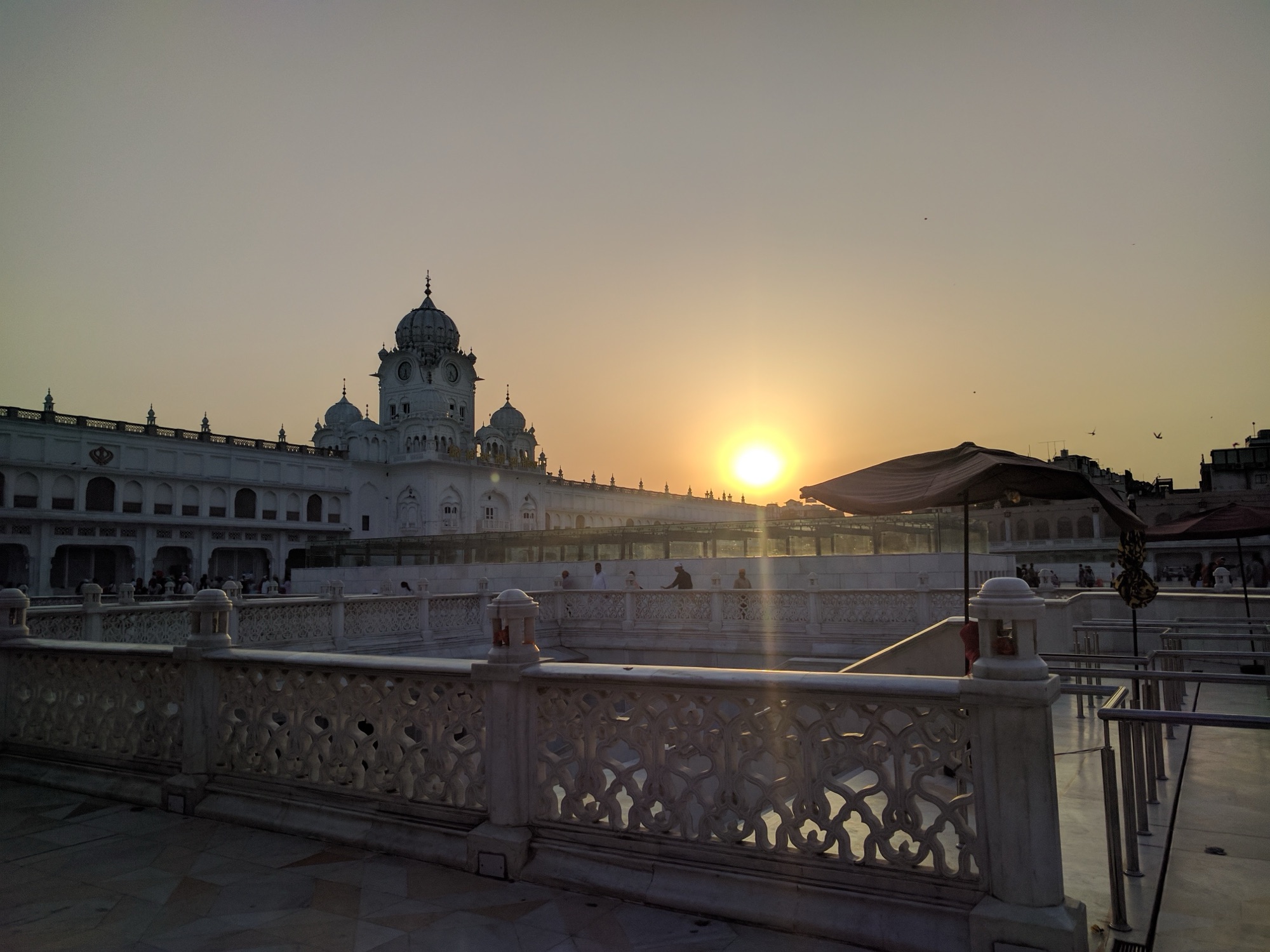
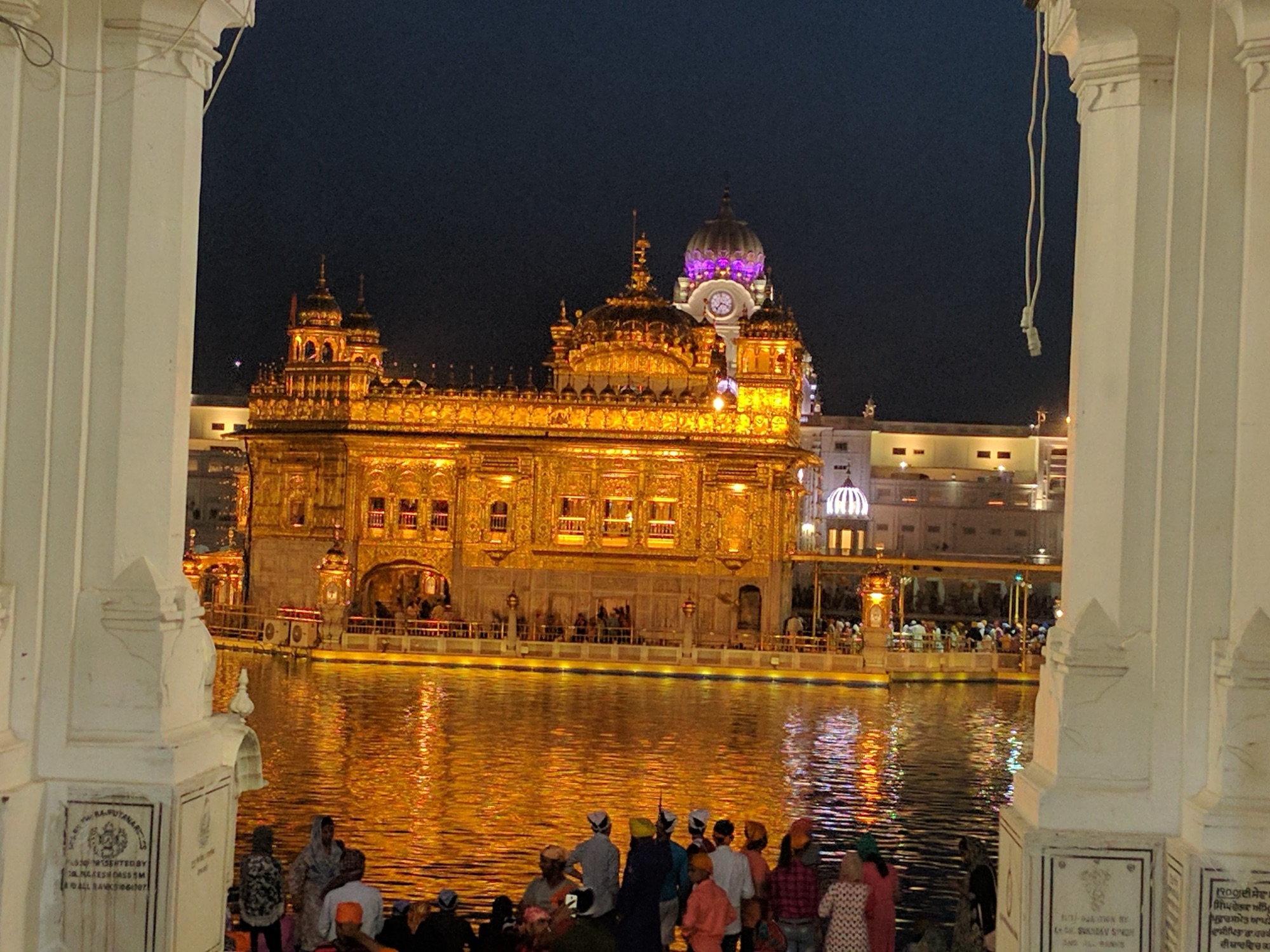
Golden Temple: Sunrise for soft light and smaller crowds. Blue hour (just after sunset) for reflections in the sarovar. Be respectful and avoid obstructing devotees.
Jallianwala Bagh: Focus on the memorial and architecture rather than staged photographs.
Old City Lanes: Excellent for street photography, colourful shopfronts, and food shots.
Wagah Border: Arrive early for good seating and photographs.
Useful Tips:
1. Carry a scarf or dupatta for Golden Temple visits.
2. Dress modestly when visiting religious sites.
3. Remove shoes and wash feet before entering the Golden Temple complex.
4. Keep cash handy for small shops and street food vendors.
5. Visit the Golden Temple at least twice…once at sunrise and once after dark.
6. Do not miss the langar (at Golden temple) regardless of your religious beliefs.
7. Keep one meal slot completely free for spontaneous food discoveries.

