Where two rivers meet, and India explains itself a little better
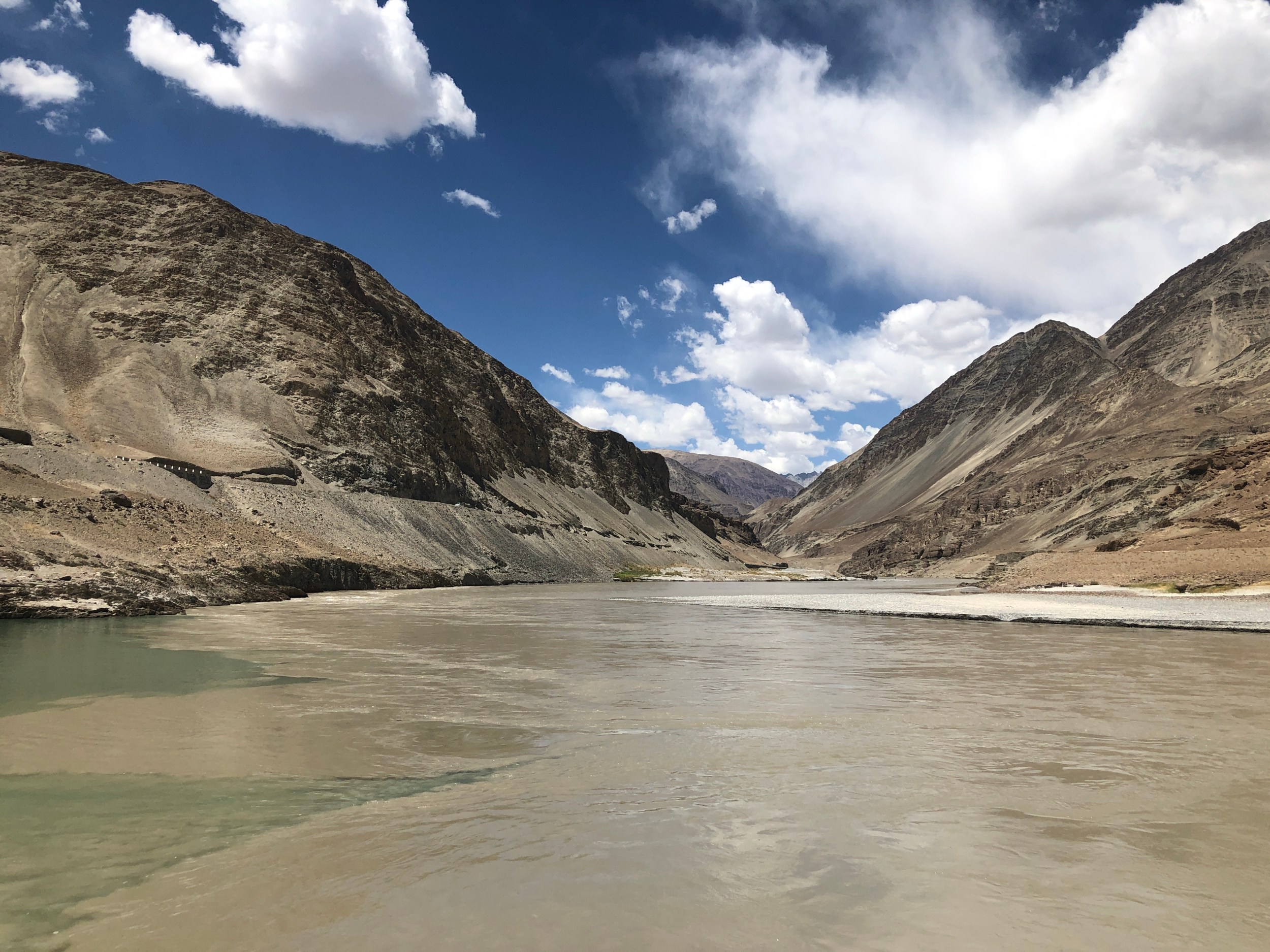
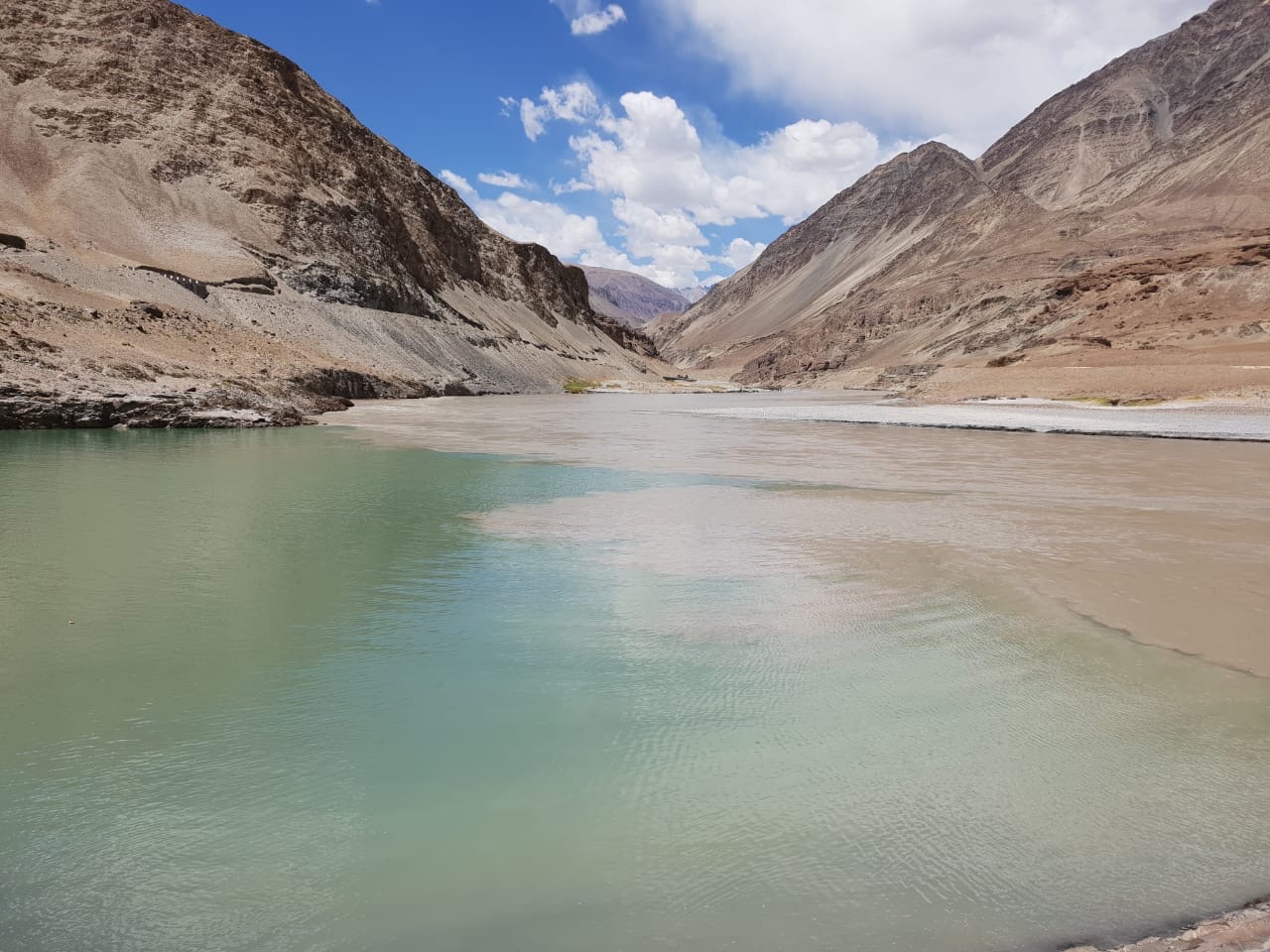
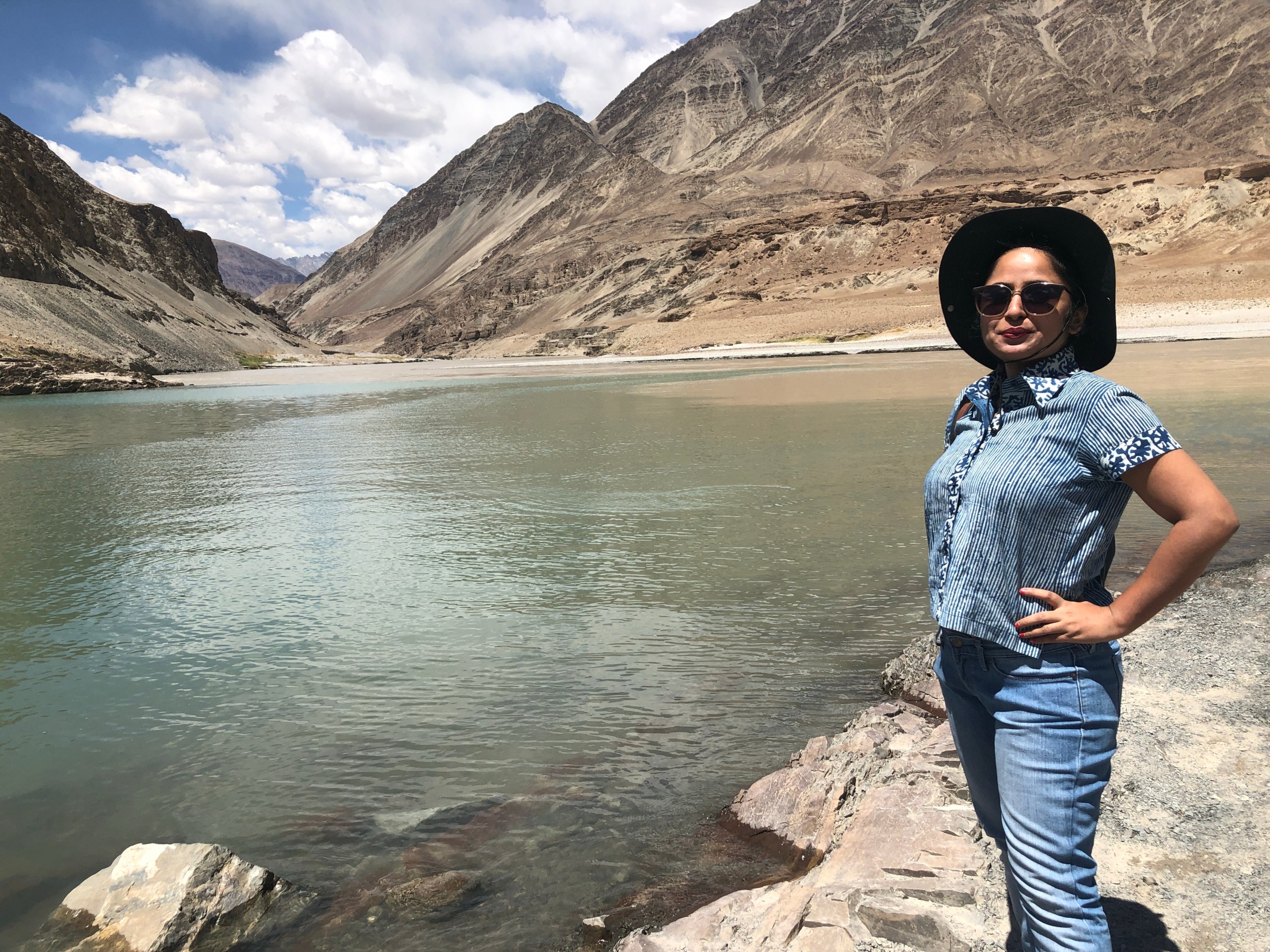
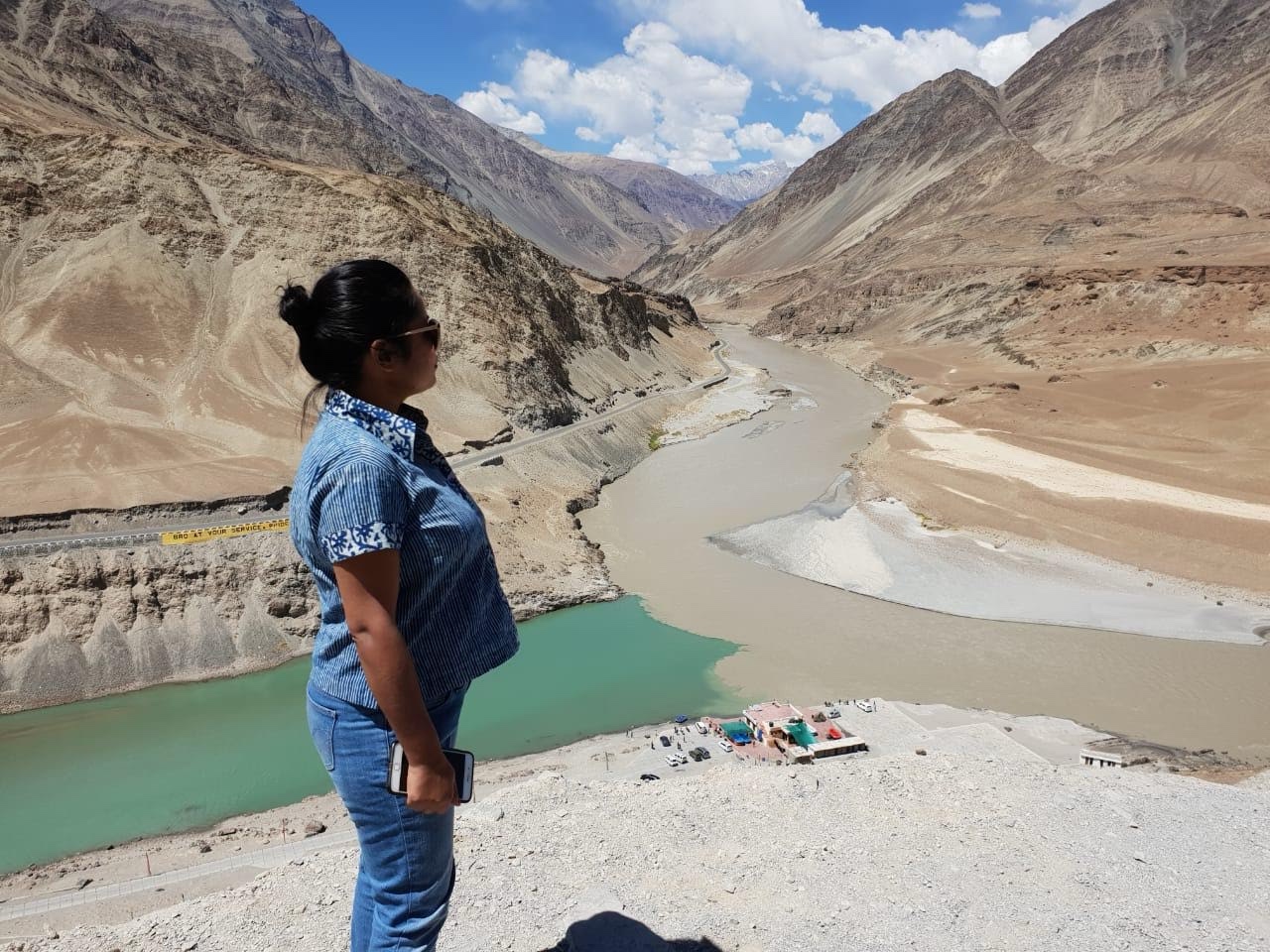
In the summer of 2018, when I was approaching the end of my 10-day trip to Ladakh, I visited Sangam – the place where the Indus and Zanskar rivers meet to form a gorgeous confluence, also called the Sangam.
We Indians are obsessed with Sangams.
You can see them almost everywhere in our country: points where two or three rivers meet, retaining their originality, but also merging to form a new element. From Prayagraj to Sangam in Leh to Kanyakumari, you can find several such confluences across India.
And just like the river confluence itself, India is one giant meeting point. A country of 22 constitutionally recognised languages, 1,300+ mother tongues, thousands of communities, multiple religions and countless sects. Add to this our food traditions, festivals, rituals, clothes, dialects and customs…basically enough diversity to make any calendar, map or census officer quietly resign and you begin to understand India a little better.
We are one country where countless cultures, cuisines and customs meet, merge, argue, adjust, borrow from each other and somehow form one stunning mosaic, one nation.
Why Sangam feels so special
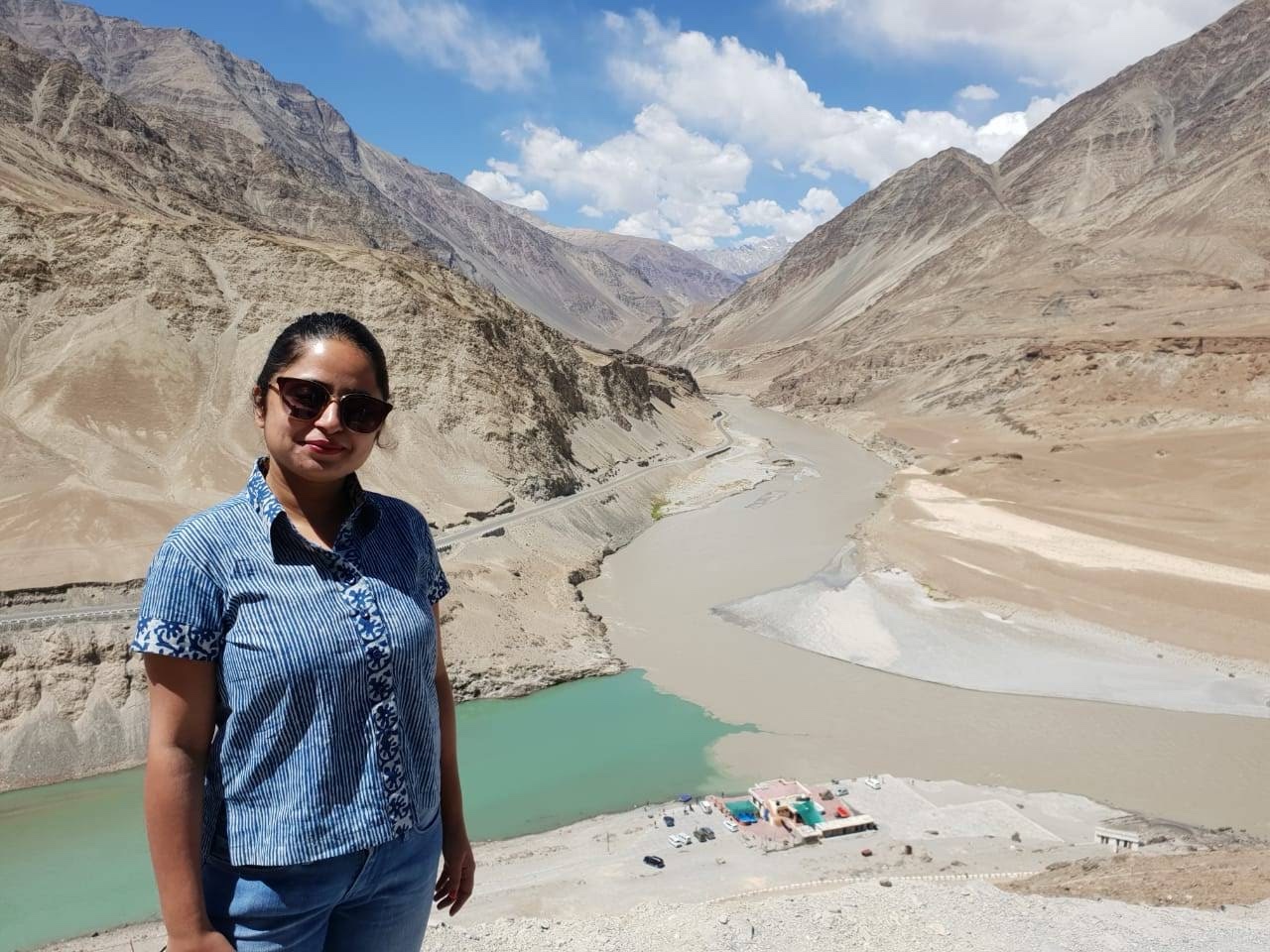
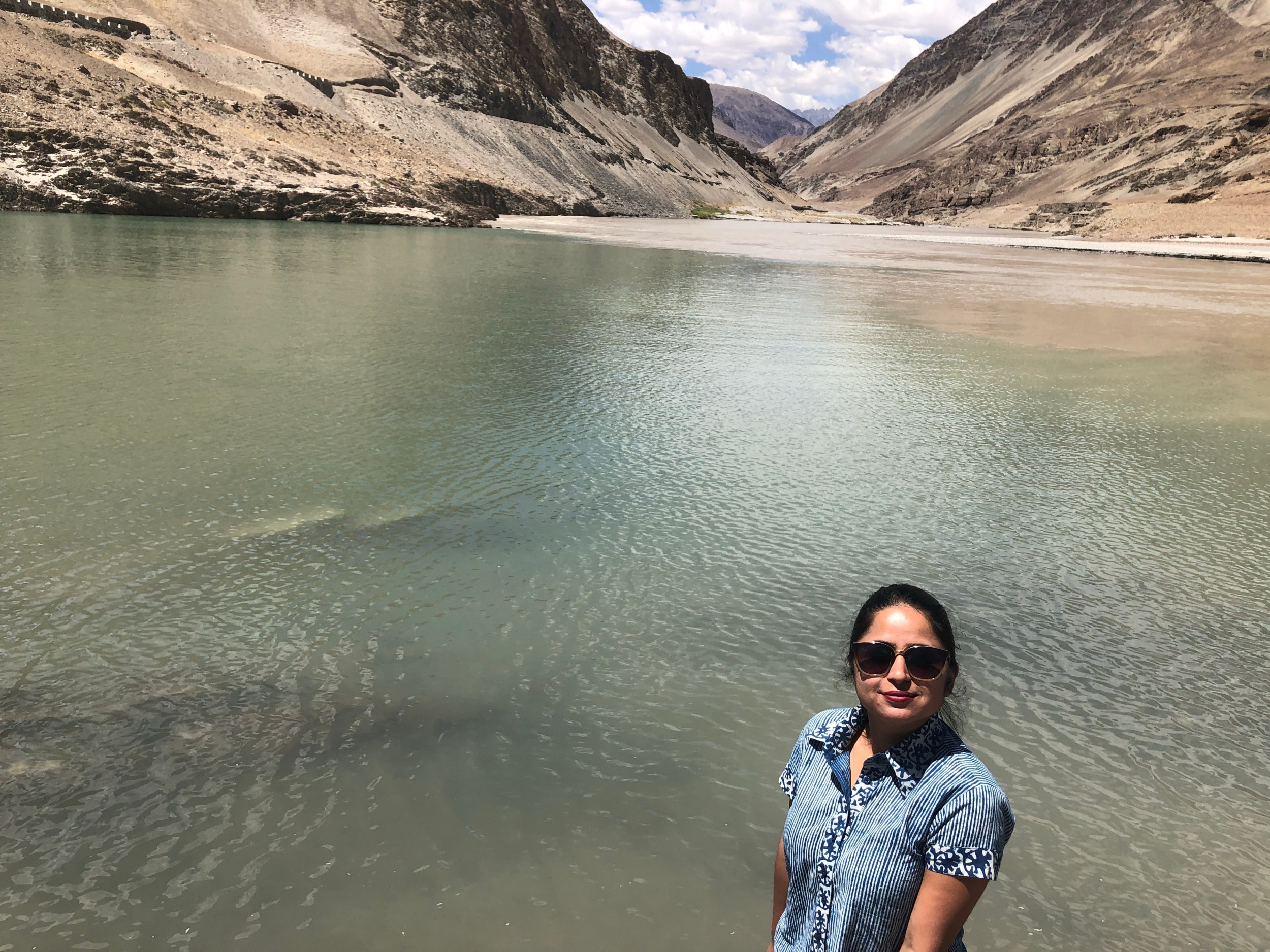
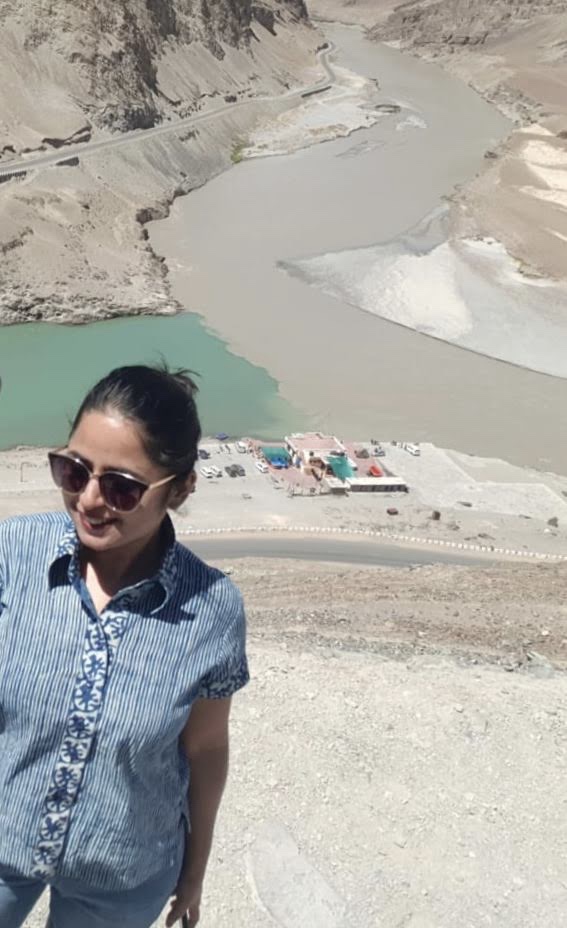
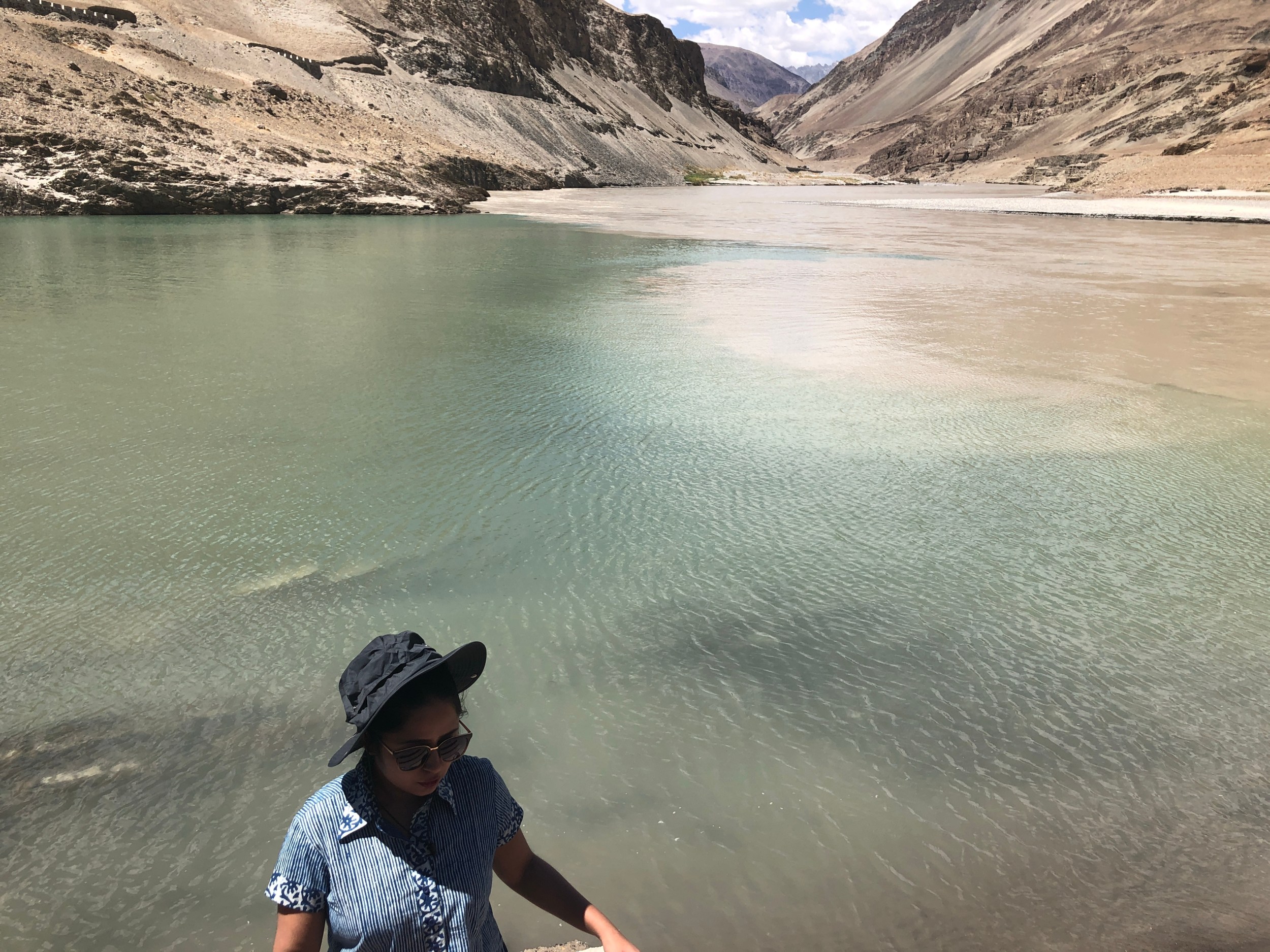
We Indians often get mesmerised when we experience a Sangam. While each one is special in its own way, the one where the Indus and Zanskar rivers meet is legendary for the way both rivers retain their colours, textures and histories.
The Indus, or Sindhu, is one of the longest rivers of South Asia, at a length of around 2,900–3,200 km. Longer than Maa Ganga and almost similar in length to the Brahmaputra, it originates in the Tibetan Plateau, near the Kailash-Mansarovar region, flows through Ladakh in India, then through Gilgit-Baltistan, south of the Karakoram range, and finally flows into the Arabian Sea through the plains of Pakistan.
Sindhu is ancient. It is considered an antecedent river – the one that existed before the Himalayas became the mountains we know today. Geological studies suggest that a proto-Indus river system may have existed around 45 million years ago. Not just that, Sindhu is also tied to one of the earliest known civilisations of the world – the Harappan / Indus Valley Civilisation.
It is an honour and an incredible privilege to view this river flowing even today through the Ladakh region, in front of the gorgeous, towering mountains of Leh – continuous, lyrical and calm.
Carrying our histories and ancient secrets within itself, Sindhu works as our DNA, our worldly memory, reminding us of an existence that dates back not just centuries, but civilisations.
Sindhu as memory, Zanskar as spirit
The Zanskar, unlike the Sindhu, feels younger in personality – wilder, colder and more resilient.
It is born in the high Himalayan world of Ladakh, formed by rivers like the Doda and Lungnak that rise around high mountain passes such as Pensi La, Shingo La and Baralacha La. From there, it cuts through the remote Zanskar Valley, moves through narrow gorges, freezes into the famous Chadar in winter, becomes a rafting route in summer, and finally reaches Nimmu, near Leh, where it meets the Sindhu at Sangam.
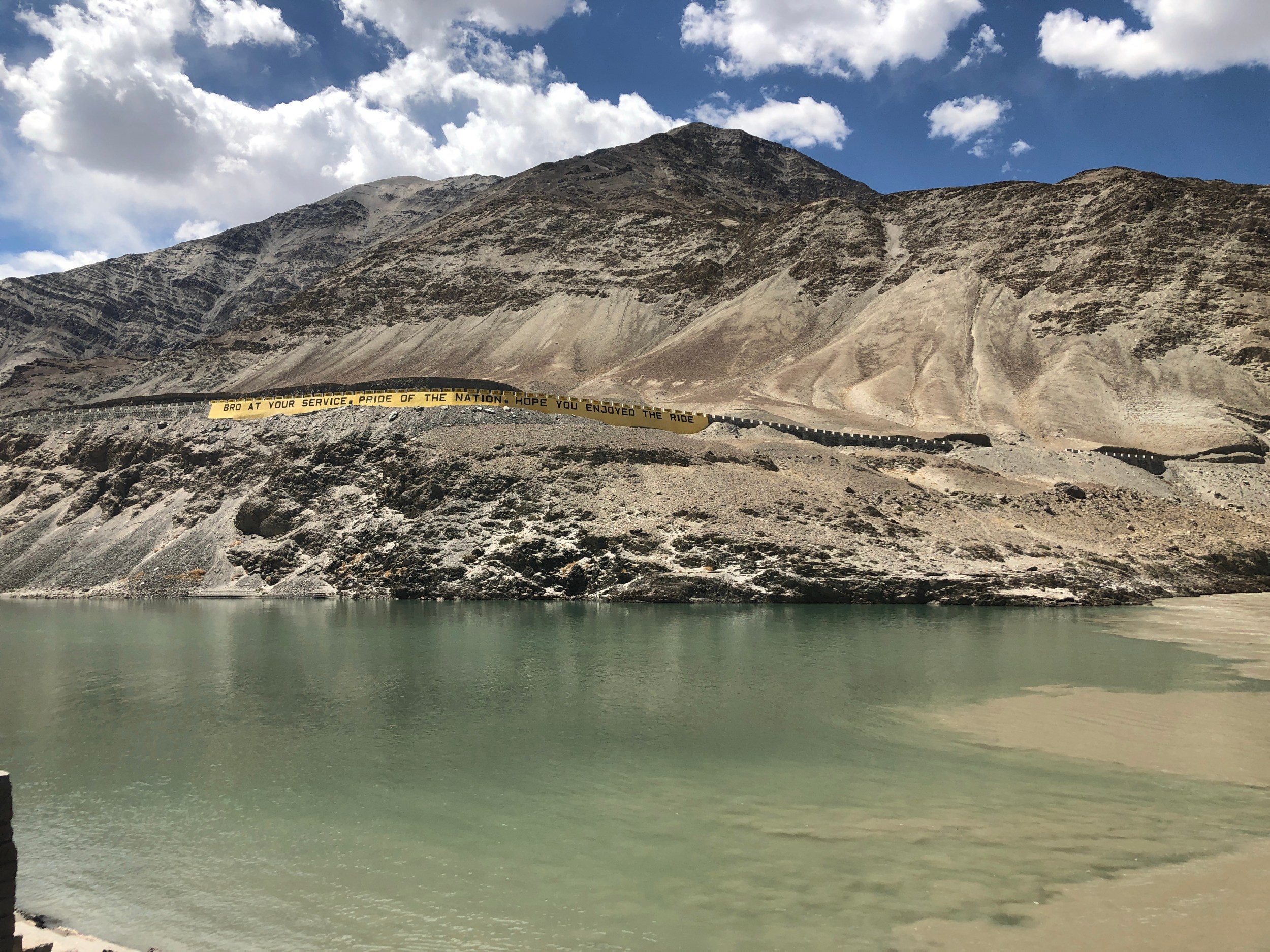
And then, almost like a younger traveller joining an ancient caravan, Zanskar merges into the Indus and continues the journey ahead with it.
If the Sindhu is India’s DNA, its ancient memory, its civilisational brain, its long inheritance – then Zanskar is India’s spirit: young, resilient, alive, and forever renewing itself.
One carries the memory of a civilisation that has existed alongside the world’s oldest cultures; the other carries the enduring energy of a country that is still becoming. At Sangam, they don’t cancel each other out. They travel together.
What Sangam reminded me of
Witnessing the Zanskar and the Indus come together at Sangam reminded me of the country I am so fortunate to have been born in – a country that is both spiritual and adventurous, ancient and ever-new.
A country that has stood for centuries and yet continues to feel fresh. A country that keeps charting its course even as the world around it changes again and again. A country that has remained strong, calm and tall through natural calamities, shifting borders, man-made disasters, invasions, kingdoms rising and kingdoms falling.
It has seen religions take birth and evolve. It has seen countless monks, sages and seekers meditate in silence. It has seen civilisations fade, cities disappear, empires dissolve – and then, again and again, the birth of a new generation.
Sangam reminded me that life exists in contrasts, and yet remains beautiful.
It can be green and muddy, ancient and young, still and moving depending on where you stand, how you look, and what you are ready to see.
Planning a day’s excursion to Sangam, Ladakh
A visit to Sangam can easily be planned as a day’s excursion from Leh, and the best part is that you don’t have to go all the way just for one spot.
You can turn it into a lovely Leh sightseeing circuit by covering the Hall of Fame, Gurudwara Pathar Sahib, Magnetic Hill and then finally spending time at Sangam, where the Indus and Zanskar rivers meet. It is one of those days where you get a bit of everything: history, faith, optical illusion, mountain roads, river views and that strange, beautiful feeling of being slightly high on altitude and very high on India.
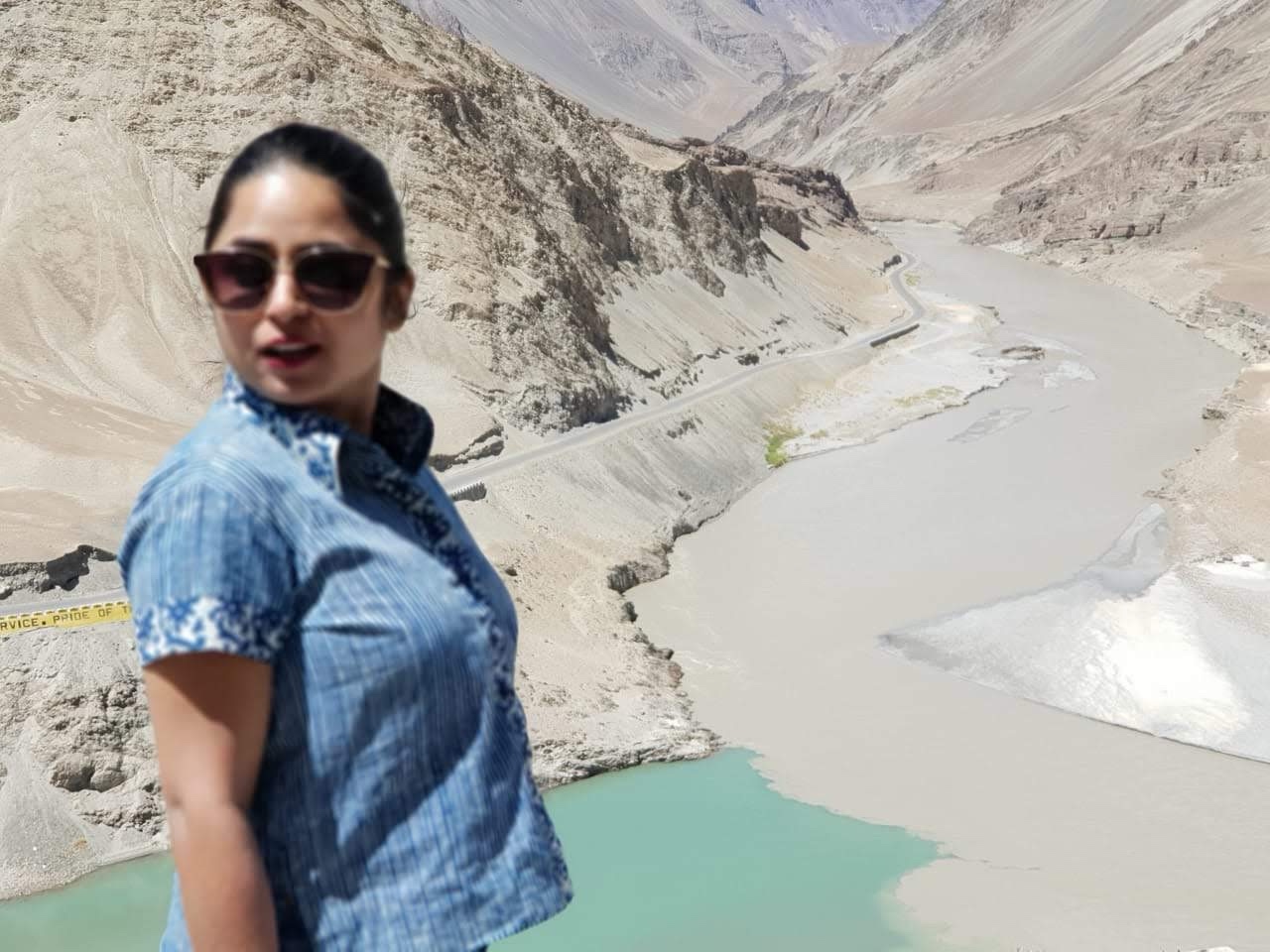
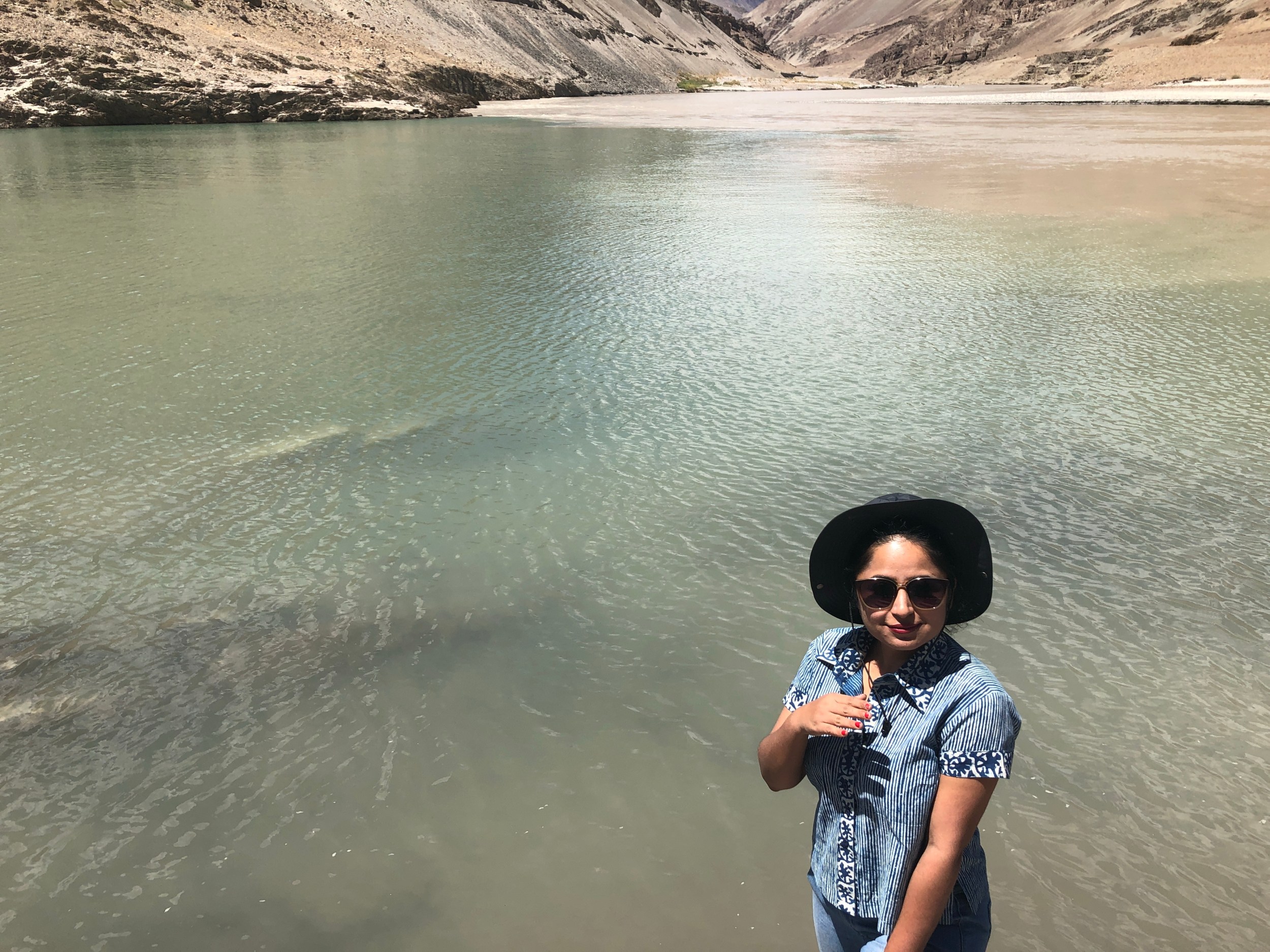
Sit there for a while at Sangam. Look at the two rivers flowing into each other. Feel the wind. Watch the mountains stand like ancient witnesses. And allow yourself a small patriotic moment.
Because honestly, when you are sitting in a land like Ladakh, watching rivers, mountains and history come together so effortlessly, it is hard not to feel proud that this incredible land is ours.
How to reach Sangam, Leh-Ladakh
Sangam is located near Nimmu, around 35 km from Leh, on the Leh–Kargil–Srinagar highway.
The easiest way to reach Sangam is by hiring a local taxi from Leh or including it in your Leh local sightseeing / Sham Valley itinerary. The drive usually takes around 45 minutes to an hour, depending on road conditions and how many times you stop to take photographs because in Ladakh, even a random bend in the road can behave like a tourist attraction.
If you are planning a longer Ladakh trip, don’t rush to Sangam on the first day. Spend the first two days acclimatising in Leh, visiting nearby monasteries and allowing your body to understand what exactly you have done to it by bringing it to this altitude.
After that, head out to places like Nubra Valley, Pangong Lake and Turtuk. Once you return to Leh, keep Sangam, Magnetic Hill, Gurudwara Pathar Sahib and Hall of Fame for one of the later days of the trip. By then, your body is better adjusted, your mind is calmer, and Sangam feels less like a checkbox and more like a quiet, beautiful closing note to your Ladakh journey.
If you are planning a trip to Ladakh, also check:
The trip of a Lifetime: 7 nights & 8 days in Leh Ladakh
Don’t beat yourself. Beat Altitude Sickness in Ladakh with these 13 tips
12 things to take with you on your upcoming trip to Leh, Ladakh
For my next spiritual retreat, I would head out to Ladakh, and this is why:
Things to remember before visiting Sangam
- Keep Sangam for the latter part of your Ladakh itinerary, after acclimatisation.
- Carry water, sunglasses, sunscreen, a cap and a light jacket.
- Don’t underestimate the altitude, even if the distance from Leh looks short.
- Combine it with Hall of Fame, Gurudwara Pathar Sahib and Magnetic Hill.
- Spend at least 30–45 minutes there. Don’t just click a photo and leave.
- If you visit during the right season, you can also check locally for river rafting options.
And most importantly, look at the rivers once without the camera.
Some places are not meant to be only photographed. Some places are meant to be remembered.
Sangam is one of them.