As June begins, we are back with a brand-new theme to match the season. Welcome to Theme 4: Tiger Reserves of North & Central India. As the name suggests, we will take you through a few Tiger Reserves of North & Central India, where a Tiger sighting is almost guaranteed if you travel this time of the year.
Well, how can I say?
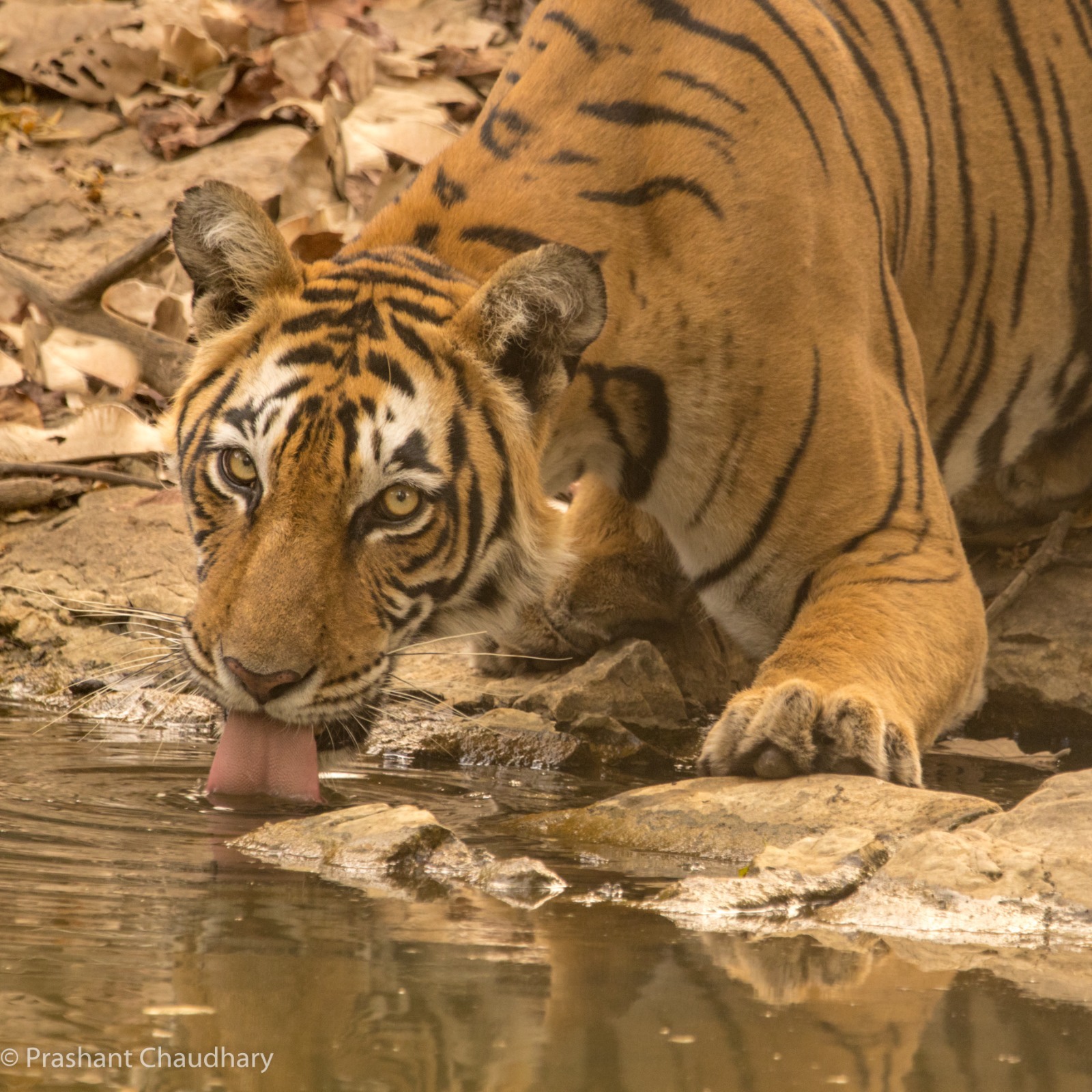
Because it’s June. The Sun is shining, and the mercury is soaring. When that happens, all beings feel the heat, human or not. Like you & I can be found inside an air conditioned room, a Tiger can also be found near a water body especially around this time of the year. If you are lucky, you might get a clear shot & loads and loads of photographs.
This is the fourth theme of our recent campaign, ‘Rediscover India, Incredible India’. Each theme of this campaign focuses on a unique aspect of this ancient & amazing country such as the long list of tourist destinations that remind you of famous international locations (Theme 1), the seemingly normal touristy places that turn haunted at night (Theme 2), or the mighty Himalayas & mountain ranges of India that have given incredible biodiversity & landscapes to this country (Theme 3).
We might have been robbed of our jewels or wealth, but India remains an incredible nation full of riches of art, culture & heritage.
Join us in this campaign as we rediscover the incredibleness of India, blog-by-blog, one theme at a time.
India & its Big Cats:
With over 45,000 species of plants & 91,000 species of animals, India is also popular for being the home to world’s highest number of wild cats. So those of you who still think this is a country of snakes & snake charmers, it’s no surprise that we are taking your jobs (sic). 😝😝
India has been home to amazing animals since the beginning many of which have become extinct. Thanks to the many princely estates who allowed hunting & the hobbies of bored/ interested English men who were not satisfied with torturing our country people; they had to kill our animals too.
Don’t get me wrong here. I know a certain Jim Corbett saved the forest here & another English couple saved the Kaziranga there. But between here & there, we lost a lot & gained nothing.
But then, we natives ain’t much better. It takes a certain Rudyard Kipling to produce a seminal piece of work called, ‘Jungle Book’ to teach us about our own jungles.
Before you wonder, we indeed got Black Panthers. In fact, there’s a really famous one visible in Kabini, Karnataka. We got many many bears. And they do look cute, but only from a distance. Unfortunately, Indian wolves have met a tragic end and are on the verge of extinction but you can still see some in Blackbuck Park, Velavadar, Gujarat. Indian wild dogs or Dhole, just like they showed in Jungle Book, are indeed brutal & mean. I can go on & on. You get the drift?
What’s really incredible here is our cat species. We got not only Royal Bengal Tigers, but also Asiatic Lions (Gir, Gujarat), Leopards (a few are visible in Ghaziabad & Noida too 🤣🤣🤣), Snow leopards (Leh, Ladakh) & Indo-Chinese Cloud Leopards.
Sighting these beasts is majestic. I hope my blogs inspire you to at least plan a few trips in the wilderness of India, if it doesn’t make you fall in love with our forests! 😊♥️


For more such authentic shots of the Incredible wildlife of India, follow @prashantchaudharywildlife on Instagram.
My favourite Tiger Reserves from this part of the country (near Capital region):
There are 54 Tiger Reserves in India, housing more than 80% of world’s Tiger population in wild. Fascinating, isn’t it?
No, I am not going to talk about all 54 of those. That warrants a book. But I do want to talk to you about those 6-7 Tiger Reserves nearby Delhi, where I have spent a lot of my extended weekends & hard-earned money in the last 3 years. 🐅🐅🐅
The most famous Tiger Reserve & the most popular weekend destination of folks living in Delhi, Noida, Gurgaon and other adjoining places is Jim Corbett Park, Uttarakhand. Yeah, the same forest where most people come back from complaining that they have no Tigers. 😂 By the way, Jim Corbett is also the place with the most number of amazing resorts where most people love to booze around a bonfire or a stack of snacks, killing everyone else’s sleep in the process.
Jim Corbett is my favourite because the forest is beautiful. 😍
Next up, of course, is everyone’s favourite- Ranthambore National Park that attracts the most volume of international tourists. With one of the highest density of Tigers in the forest, a Tiger sighting is really easy.
They say that you must be really unlucky if you don’t spot a Tiger in Ranthambore. 😉😉
And then there is Sariska in Rajasthan, Panna, Pench, Bandhavgarh & Kanha in Madhya Pradesh. You know what? The Tiger Reserves of Madhya Pradesh are special because of the diversity of animals present inside the Jungle. From a bison to wild dogs to Barasingha, you can practically spot almost every animal inside the forest. 🙌🙌
Curious much?
Then, stay tuned because I will write about these forests in the upcoming blogposts, one post every week!

Image Courtesy- Prashantchaudharywildlife (Instagram Handle)
Everything you need to know about Tiger Safaris: a Mini Guide
A jungle safari is not a regular ride in a park or your favourite amusement park. It’s a ride in the wild, where there are no cages and no cops. The only rule that prevails a Jungle is the rule of the wild.
What’s that? Here, note this down:
1. First and foremost, you stay inside the Jeep. You don’t get down. You don’t roam around. You don’t go around ‘feeling lost’. You hold it together and stay inside the Jeep. Because as long as you are inside the Jeep, you are safe.
2. PLEASE DON’T LITTER. Unless you are travelling to Madhya Pradesh, you don’t even need to eat during a safari. But if you must do, pls take a snacks break only in the designated areas. Also, boys, you can’t relieve yourself anywhere inside the jungle. You pee or whatever it is that you do inside the washroom only inside the toilets made by the Forest department.
3. When we visit the Jungle, it’s the best to stick by the guidelines laid down by the forest department i.e., don’t wear loud clothes, don’t wear strong perfumes or smells. If you could stop making noise for a while, that would be great too.
4. Speaking of clothes, it’s best if you dress appropriately. What do I mean by that? In Summers, wear full sleeve clothes to protect yourself from the heat. Do take goggles and hats/ caps. If you are going anywhere in Rajasthan, there’s going to be a lot of flying mud. So, carry bandannas, buffs or plain handkerchiefs to cover your face.
5. Do carry a lot of water with you in Summers especially if you are going in the afternoon.
6. There are usually two slots for safaris in every Tiger reserve: mornings & afternoons. Depending upon the governing policy, the safari can range anywhere between 2 hours – 5.5 hours. In some parks, they allow you for a night safari too. It’s better if you book your safaris in advance. If you travel to the parks of Madhya Pradesh, it’s better to book the whole Jeep to yourself if you are 2 or 3 people travelling together. Even in Jim Corbett, I will advise you to book your own personal safari. Everywhere else, you can book yourself a seat and travel with others. In a safari, 6 people can travel together other than the driver & the guide.
7. In almost all Jungle safaris, the guide will travel with you. Mostly the guides are experts and can help you sight a Tiger. Listen to them. Respect them. And tip them if they show you a Tiger.
8. Lastly, the million dollar question- how many safaris should you book in one park. Well, it depends. Usually each Tiger Reserve has multiple zones, and you can travel only to one zone in one safari. So, if you have the patience & the interest – do book 3-4 safaris at a minimum in each visit. We generally book 5-6 safaris in Jim Corbett & 4-6 in Ranthambore during every visit. More safaris increase your likelihood for sure. However, some people sight Tigers in one visit too. 🙂
With this, I invite you to taste the wilderness of this incredible country of Tigers, Lions, Leopards & Cheetahs (before Kuno, we did have Cheetahs but the greed got the beautiful animal extinct. Ah, story for another time). Book yourself a Tiger Safari & take your friends and family.
They will love it 😍
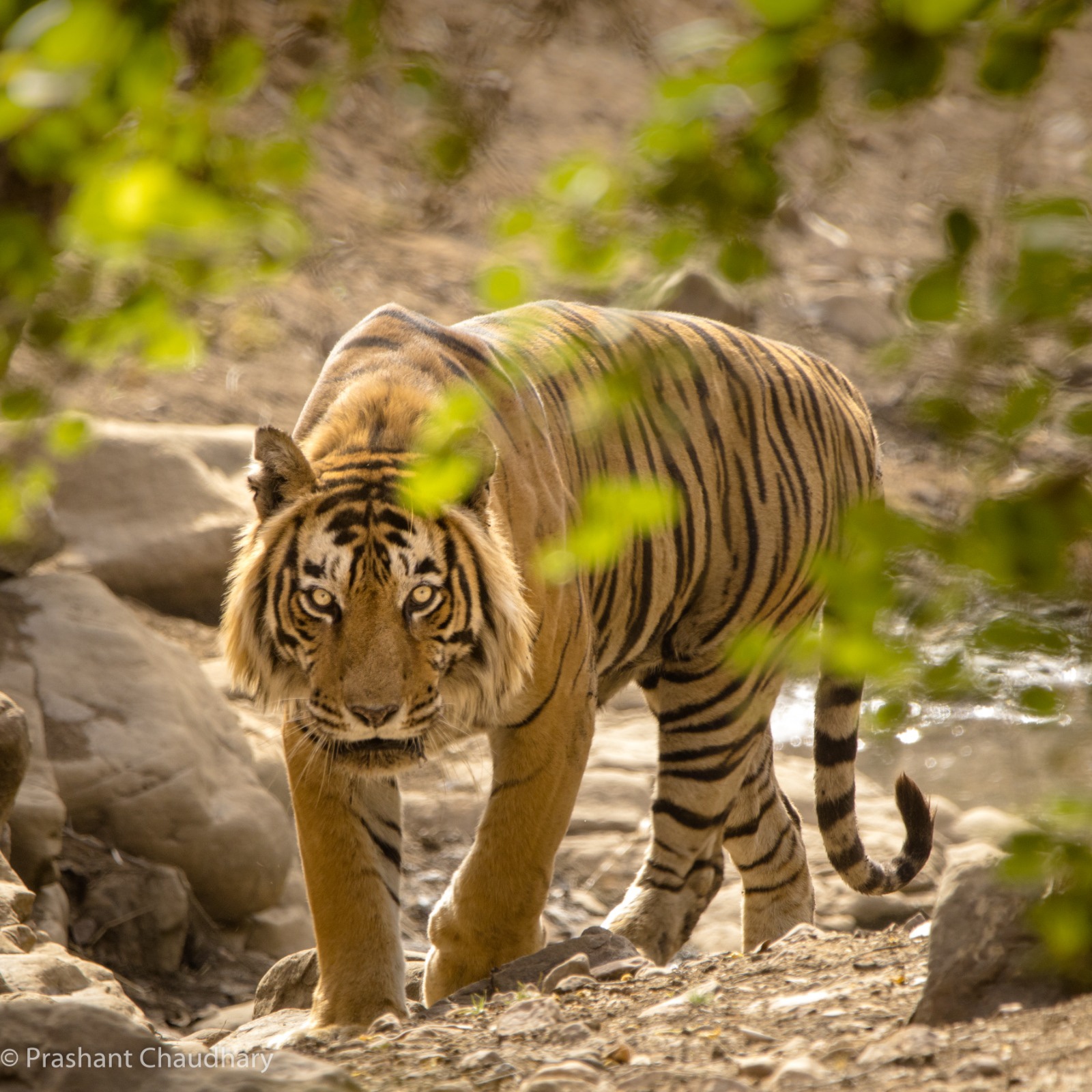
Image Courtesy- Prashantchaudharywildlife (Instagram Handle)
For more such authentic shots of the Incredible wildlife of India, follow @prashantchaudharywildlife on Instagram.
Next week, we will talk about the Tiger Reserve that became world-famous because of this magnificent Tigress, Machli. She was believed to be world’s most photographed Tigress. Can you guess the name of the park?
See you next week! Till then, keep travelling! ♥️♥️
 Life on weekends- Home
Machali was from Ranthambore National Park and indeed a beautiful and elegant Tigress loved by everyone.
LikeLike
Yes, you guessed right! 🥳🥳🥳
LikeLike